A Population is defined as: A group of organisms of the same species living in the same area at the same time, and which are capable of interbreeding.
The distribution of any species is determined by two interacting sets of factors: Abiotic and Biotic Factors
Components of an Ecosystem
Ecosystems are made up of the interactions between the living and non-living components within them.
It is impossible to think of an ecosystem without including these interactions
Biotic factors
The living components of an ecosystem are known as the “biotic factors” – living biological factors that influence the other organsims or environment of an ecosystem.
This is a lot more than just listing the plants, animals or micro-organisms found in an ecosystem. It includes the roles played by the organisms.
Biotic factors interact as : Producers, consumers, detrivores, decomposers, parasite, host, predator, competitor, herbivore, symbiant and pathogen.
A tree in a woodland is a producer providing the basic unit of energy for the rest of the ecosystem. But at the same time it competes for light with other trees and may be the host to parasitic plants such as mistletoe or decomposing fungi. During the annual cycle in the wood, the tree will at times take water and mineral nutrients from the soil and at others return nutrients from fallen wood and leaves.
Abiotic Factors
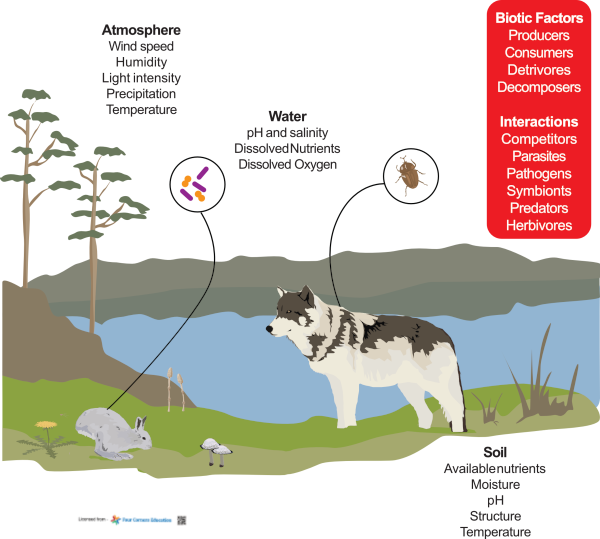
The Physical and Chemical components of an ecosystem are called the “abiotic factors” and include:
- The atmosphere
- Climate and water
- Soil structure and chemistry
- Water chemistry
- Seasonality
These factors operate at a broad scale but within ecosystems smaller component abiotic factors also work.
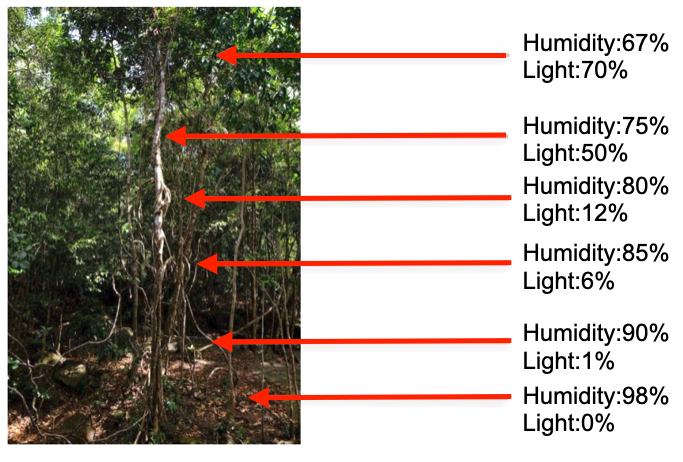
Within the Tropical rainforest different levels of humidity and light exist at different layers
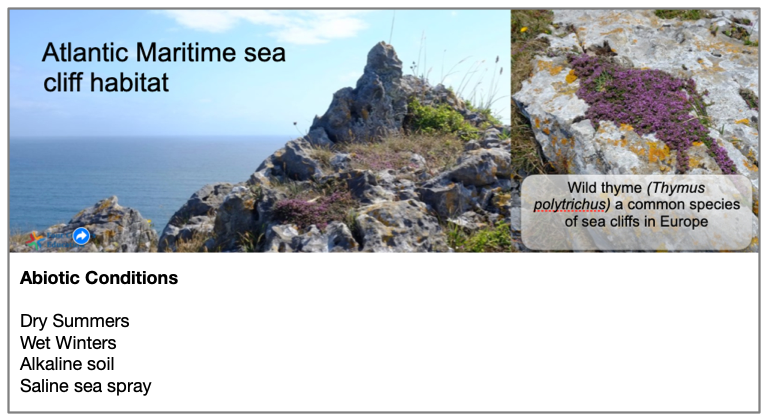
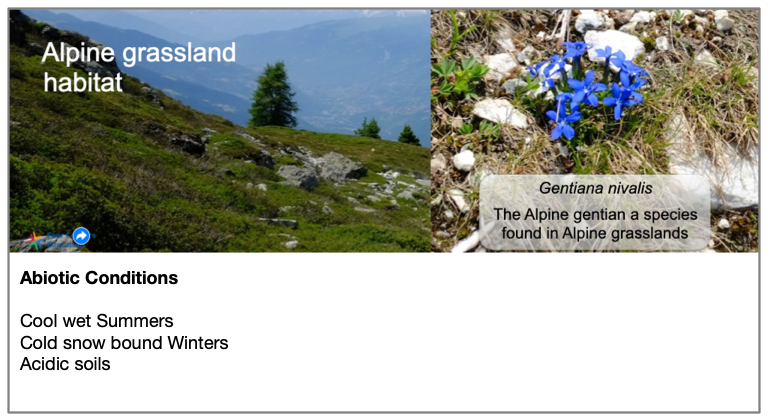
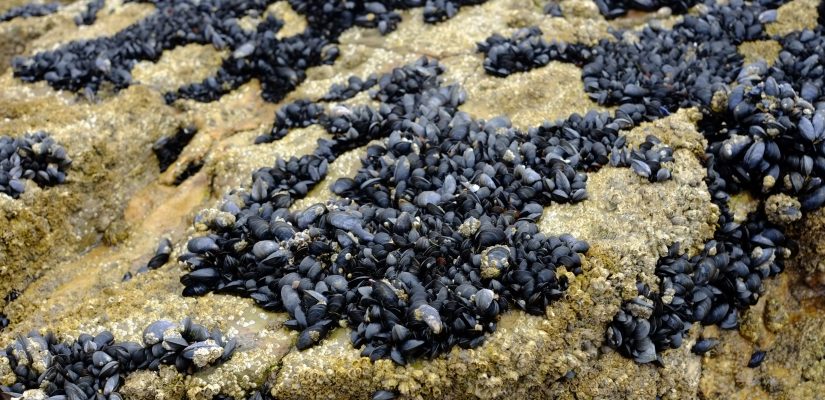
It is the abiotic conditions in an environment which ultimately give rise to the biotic community present. This is illustrated below with examples of three different ecosystems, including an ecosystem where the abiotic conditions change twice a day, each of which is the result of the initial controlling abiotic factors which operate.