
Intensive systems
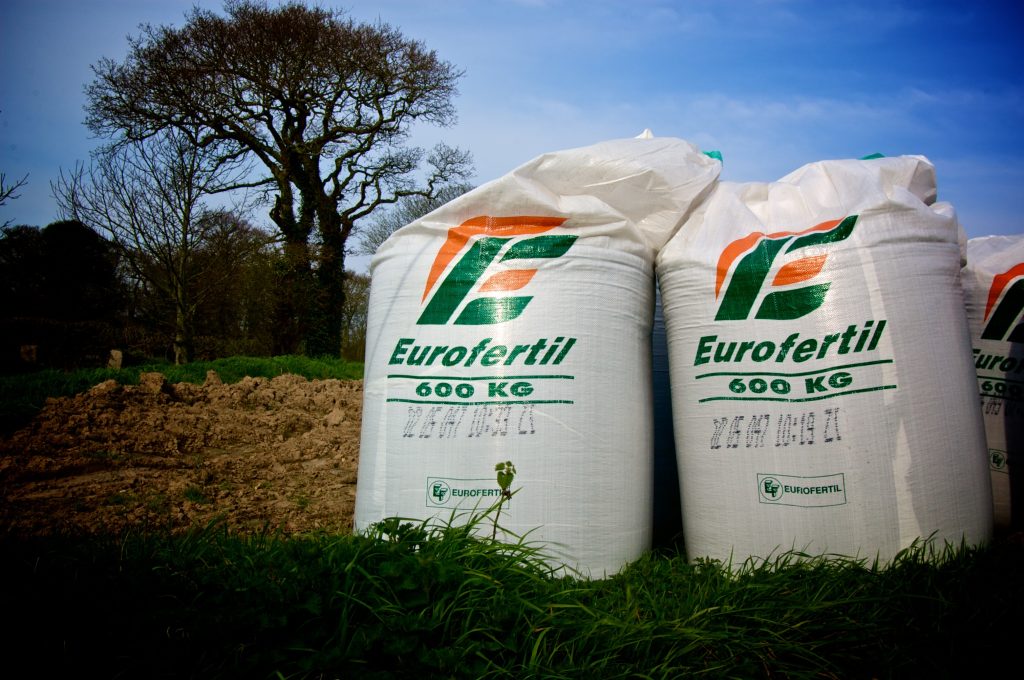
In many intensive agricultural systems inorganic (synthetic) fertilisers are used extensively to mainatin soil fertility and boost productivity of the system.
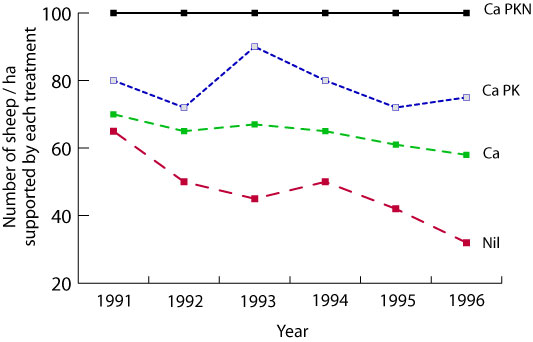
As the graph below shows on unproductive sheep pasture in the UK can support around 100/sheep per hectare when treated with synthetic fertilisers containing Nitrogen, Phosphates and Potassium salts (NPK) with the addition of Calcium to reduce the acidity of the soils.
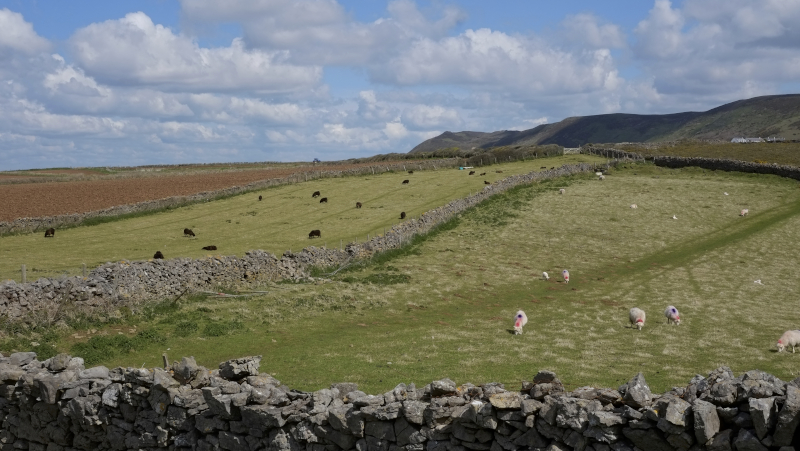

While the use of synthetic fertiliser has greatly increased crop yields (Green Revolution, they have not come without a cost.
Eutrophication of water systems has occurred where farmers have used them in excess rates beyond which plants can immediately absorb them.
This has led to algal blooms being a common occurrence in some parts of the world as well as increased incidents of toxic lakes and rivers.
Their use has also altered the biodiversity of grassland systems where they have been used to increase meat and dairy production. Competitively aggressive species are favoured where soil nutrients are artificially increased.
Why NPK?
- Nitrogen (N) – promotes leaf and stem growth
- Phosphorus (P) – important for root development and energy transfer
- Potassium (K) – improves overall plant health and resistance
These are commonly referred to as NPK fertilizers.
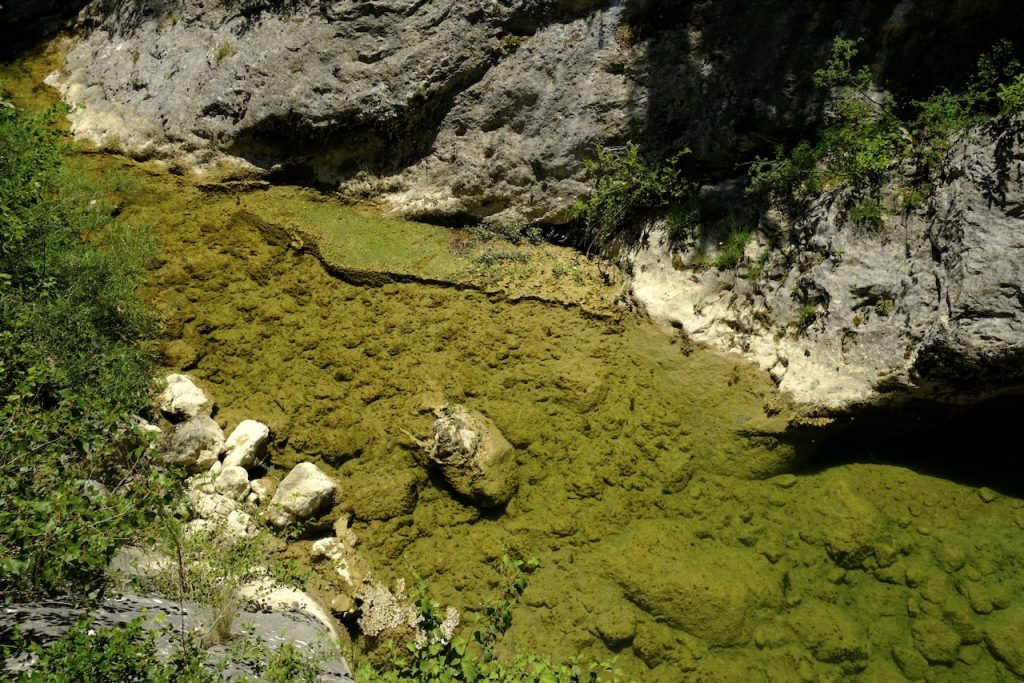
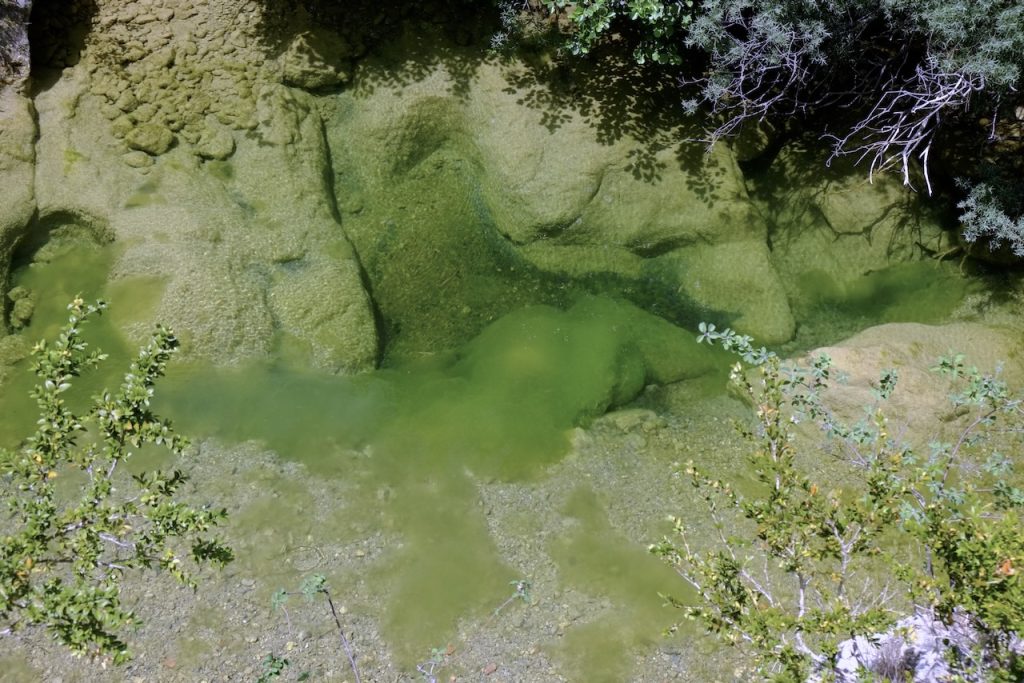
Algal blooms above, caused by excess use of synthetic fertilisers on surrounding grazing land.


Environmental Costs and Sustainability Issues
Although productive, synthetic fertilisers can reduce long-term sustainability.
Key impacts:
- Soil degradation
- Reduced soil biodiversity
- Decline in soil organic matter
- Water pollution
- Nutrient runoff enters rivers and lakes
- Causes Eutrophication, leading to algal blooms and oxygen depletion
- Energy use
- Production of nitrogen fertilizer uses large amounts of fossil fuels
- Greenhouse gas emissions
- Fertilizer production and soil processes release nitrous oxide (N₂O), a powerful greenhouse gas
- Soil dependency
- Long-term use can reduce natural soil fertility, making farms dependent on chemical inputs
Sustainable Methods for Improving Soil Fertility
Sustainable agriculture focuses on maintaining soil productivity naturally while reducing environmental damage.
Fallowing
Fallowing is the practice of leaving land uncultivated for a period of time.
Purpose
- Allows soil nutrients to recover naturally
- Restores soil structure
- Encourages natural vegetation growth
Advantages
- Restores natural soil fertility
- Reduces pests and diseases
- Allows soil organisms to recover
Disadvantages
- Reduces short-term food production
- Requires more land availability

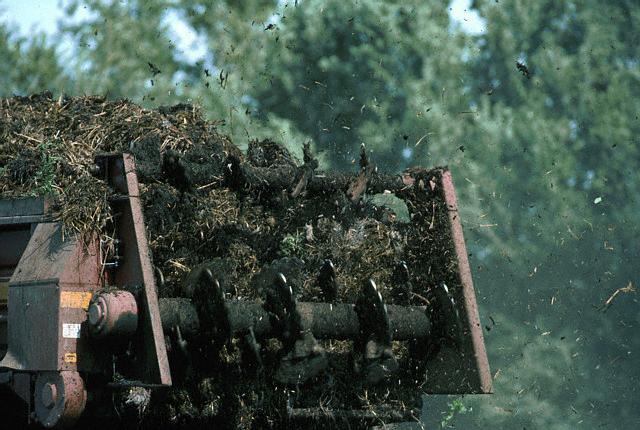
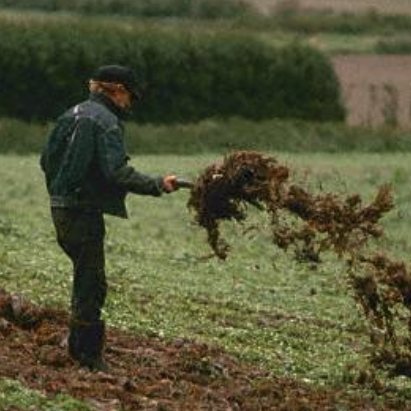
Organic Fertilisers
Organic fertilizers come from natural biological materials.
Examples include:
- Animal manure
- Compost
- Green manure
- Crop residues
- Humanure (composted human waste)
Advantages
- Improve soil organic matter
- Increase water retention
- Support soil microorganisms
- Release nutrients slowly over time
Disadvantage
- Nutrient content is less predictable
- May require larger quantities
- Transport and storage can be difficult
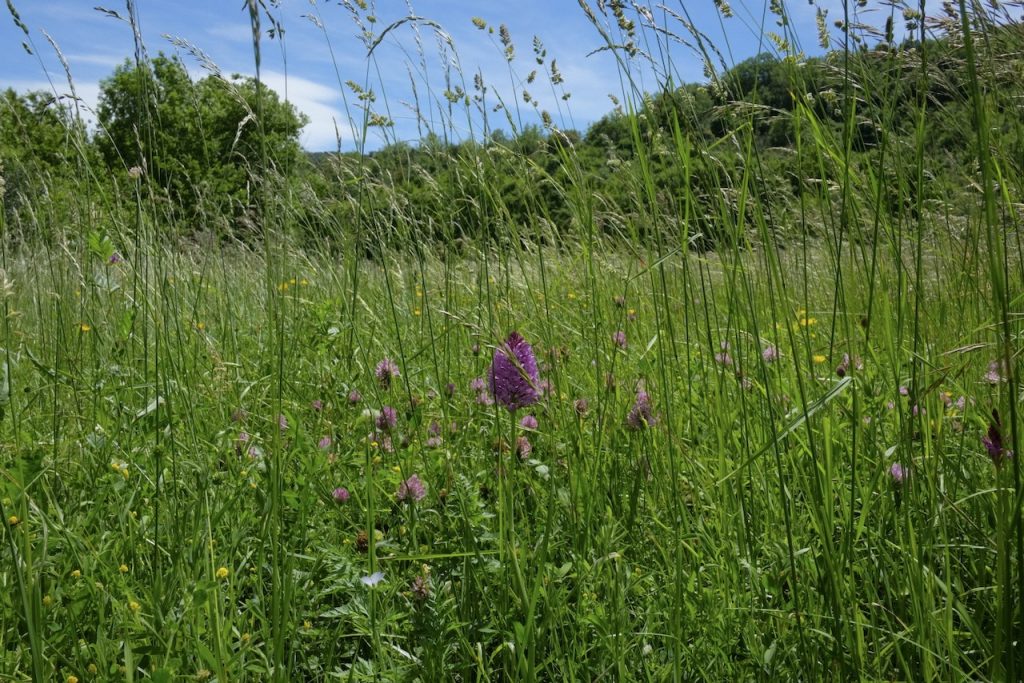
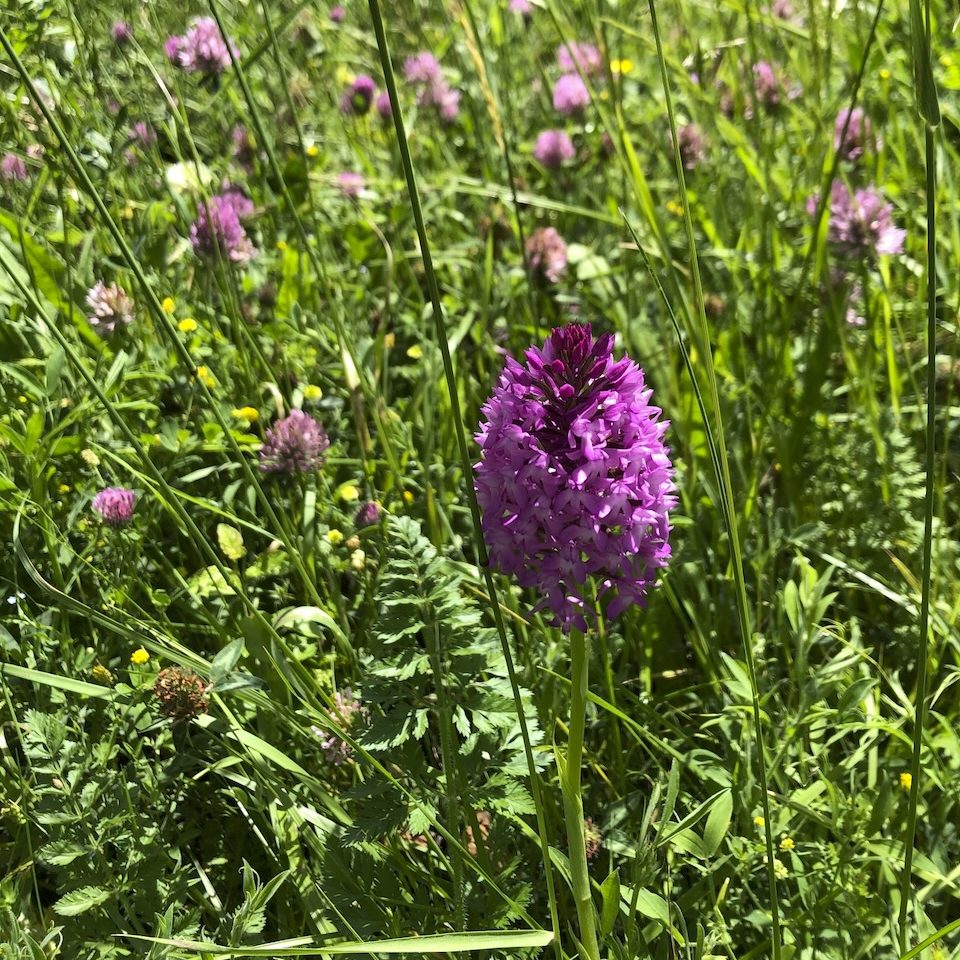
Herbal Mixed Leys
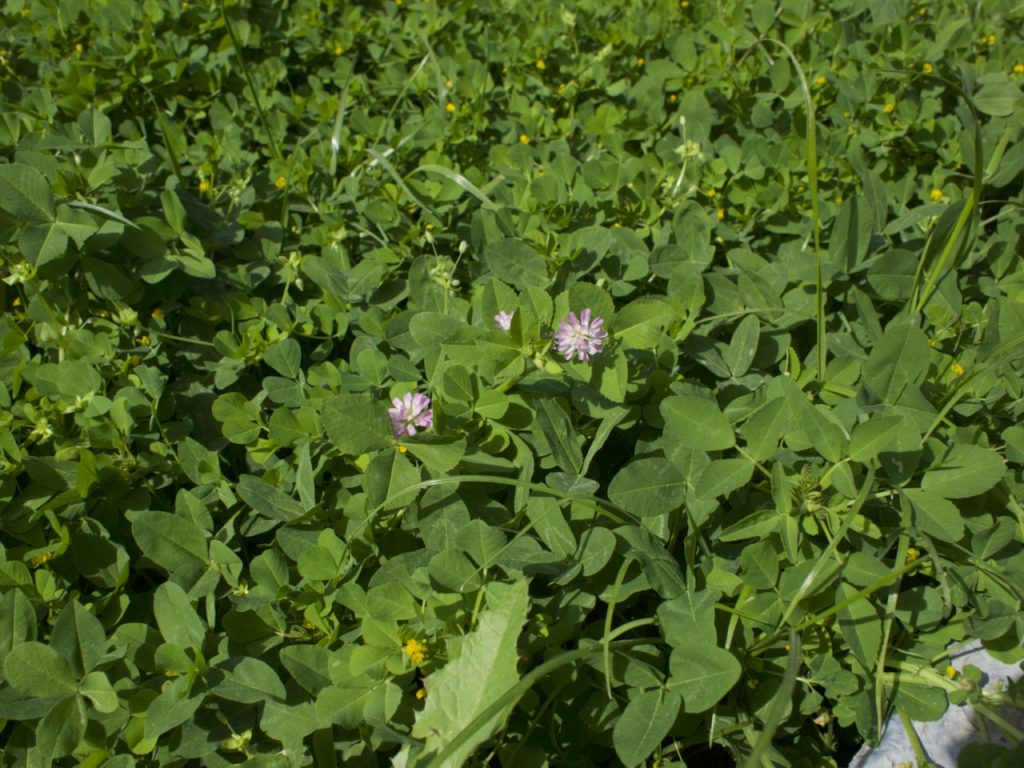
A ley is a temporary pasture planted with mixed grasses and herbs, often including legumes.
Typical species may include:
- clover
- ryegrass
- plantain
- chicory
How They Improve Soil
- Legumes fix atmospheric nitrogen through symbiotic bacteria
- Deep-rooted plants improve soil structure
- Adds organic matter when ploughed back into soil
Benefits
- Natural nitrogen input
- Increased biodiversity
- Improved soil health
Mycorrhizae
Mycorrhizae are symbiotic fungi that live in association with plant roots.
Function
They extend fungal filaments into the soil, increasing the plant’s ability to absorb:
- Water
- Phosphorus
- Minerals
Benefits
- Improved nutrient uptake
- Increased plant resilience to drought
- Reduced need for fertilizers
Ecological Importance
Healthy soils with high biodiversity usually contain abundant mycorrhizal fungi.
Continuous Cover Forestry (CCF)
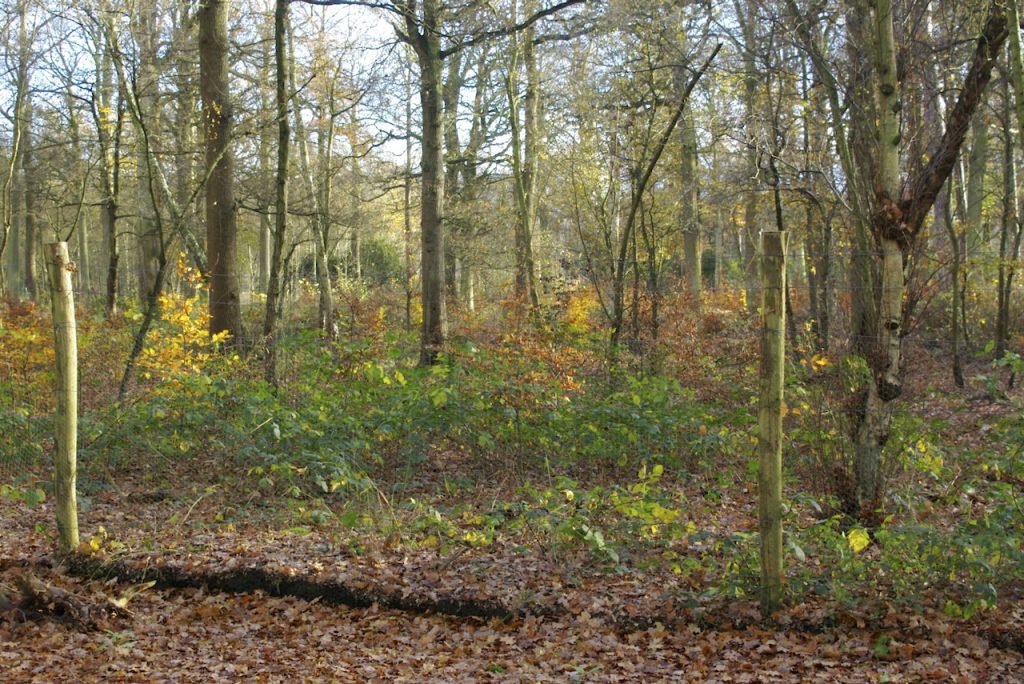
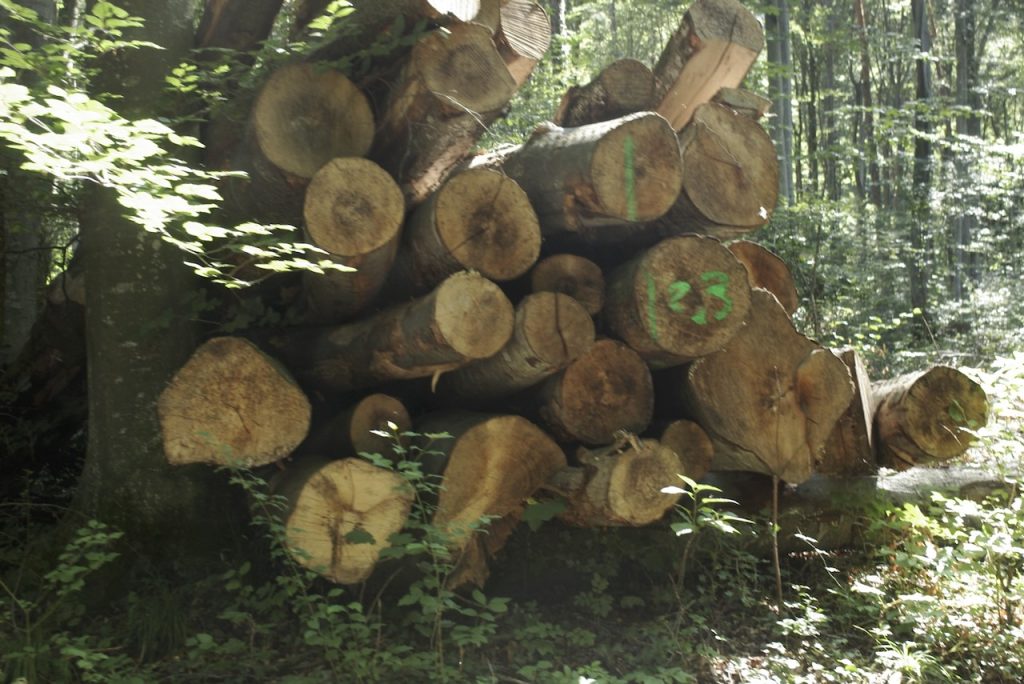
Continuous cover forestry maintains permanent forest cover instead of clear-cutting.
Key Features
- Selective harvesting of trees
- Forest canopy maintained
- Soil remains protected
Benefits for Soil
- Prevents erosion
- Maintains soil moisture
- Protects soil biodiversity
- Sustains long-term productivity
Agroforestry
Agroforestry integrates trees with crops or livestock on the same land.
Examples include:
- Tree crops mixed with field crops
- Silvopasture (trees + grazing animals)
- Windbreak tree lines
Benefits
Ecological benefits
- Improves soil fertility through leaf litter
- Reduces erosion
- Enhances biodiversity
Agricultural benefits
- Diversified farm income
- Improved microclimate for crops
- Carbon sequestration