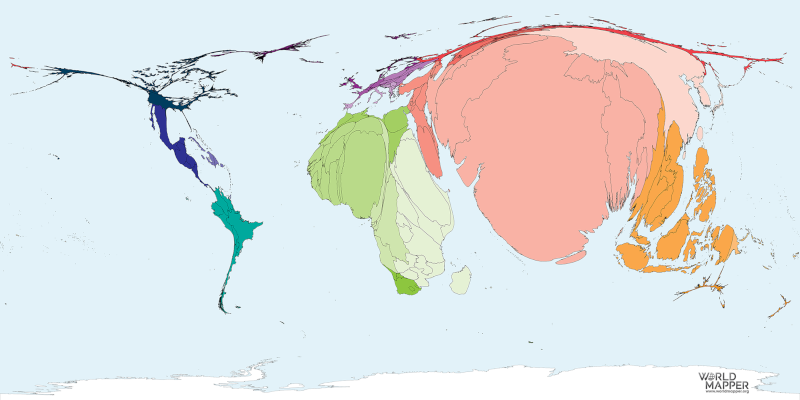
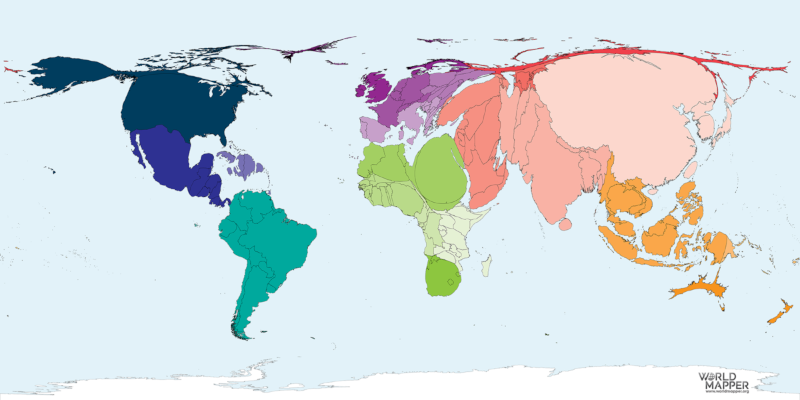
The two maps above bring into stark contrast the availability of food across the planet. Whilst we produce enough food to feed the whole global population, food is not equitably distributed and much is wasted or lost in distribution.
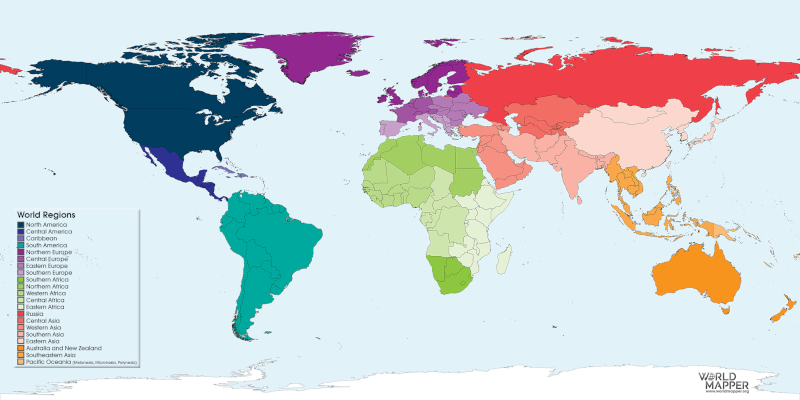
The three maps below are from WorldMapper. “Worldmapper is a collection of world maps called cartograms, where territories are resized on each map according to the subject of interest.” The first map is the base reference map used by Worldmapper. The second, is a Representation of Global Hunger as expressed by underweight children. The second map is Childhood obesity.
Farming the differences matter.
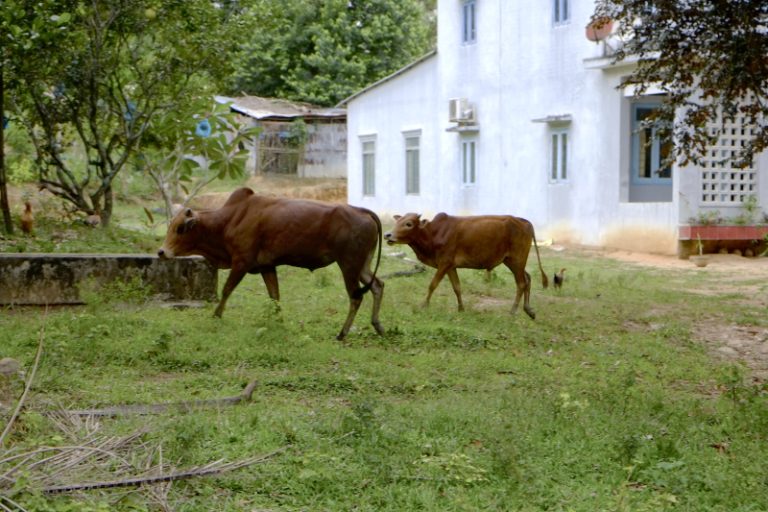
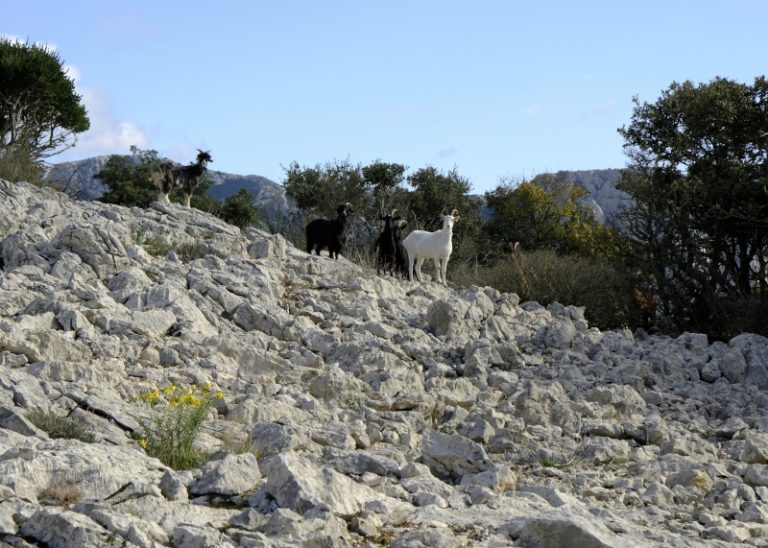
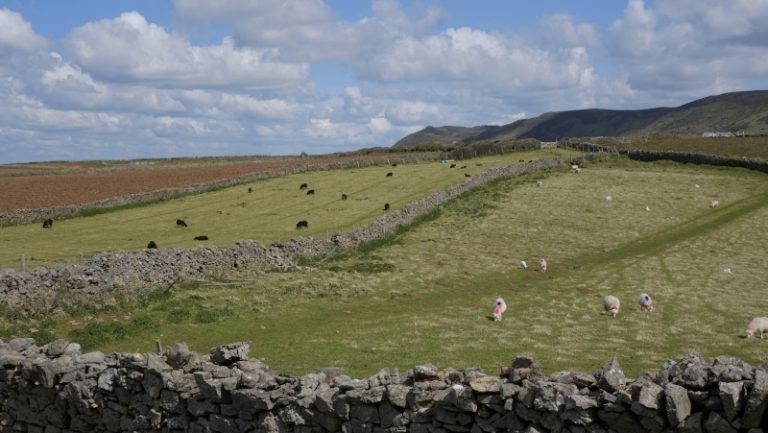
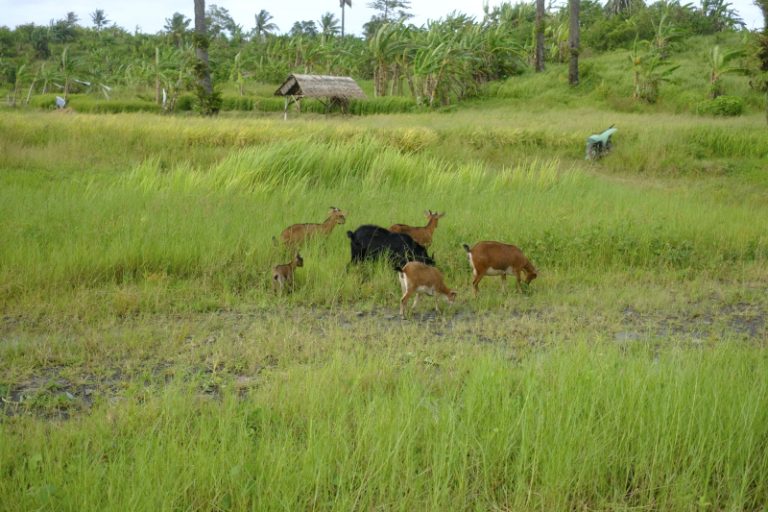
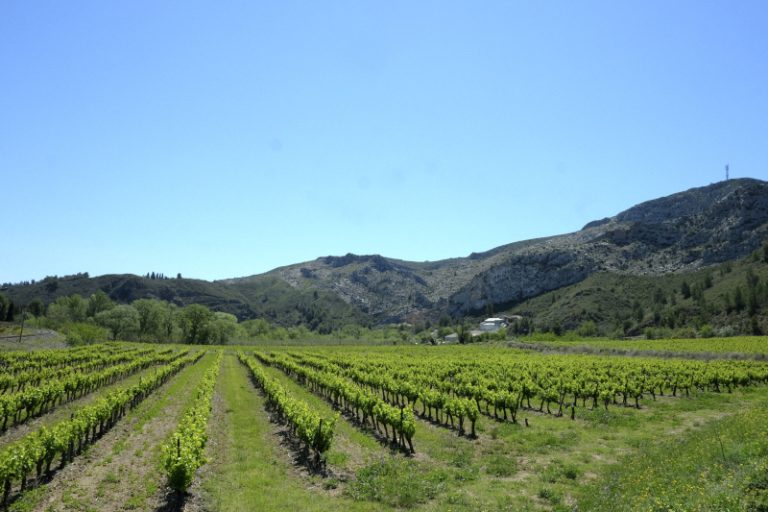
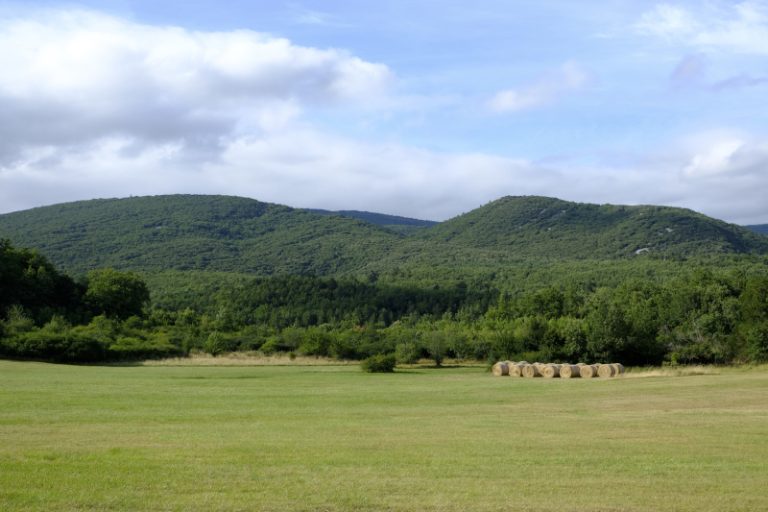
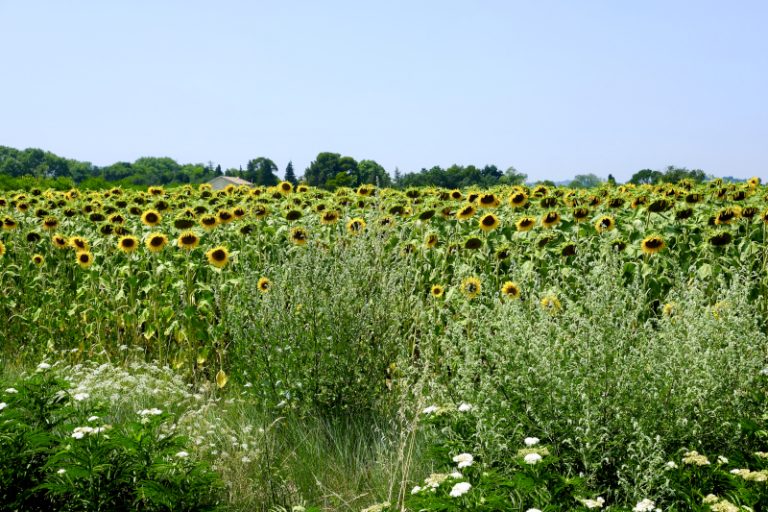
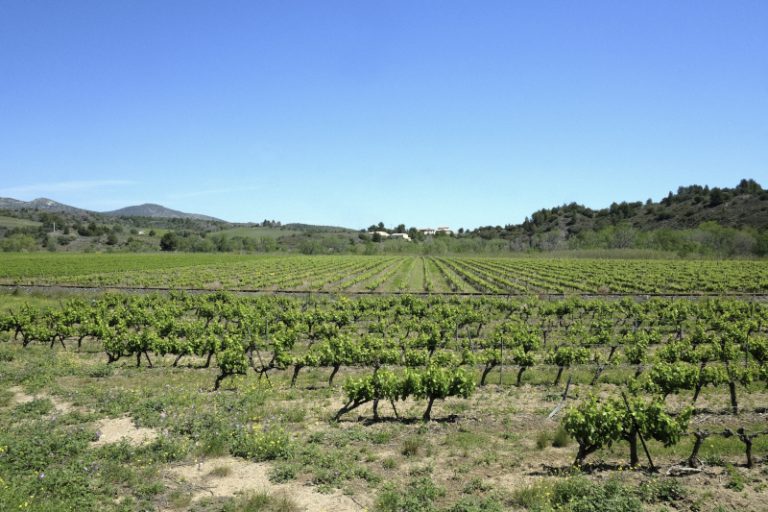
Agricultural systems are varied, with different factors influencing the farmers’ choices. These differences and factors have implications for economic, social and environmental sustainability. In the carousel of images below different systems form different countries are highlighted.
One example of this is Sheep farming in Great Britain.
Large areas of Western and Northern Britain are home to upland sheep pastures. The soils in these areas are naturally low in mineral nutrients because of acidic parent material (the rock that the soils are made from) and leaching (loss of mineral salts in solution) in the high rainfall these areas receive. Many upland pastures receive little additional fertiliser and often the soils are quite acidic. The results in a specialised community of grasses developing which are palatable to sheep, but not cattle.
Falling wholesale meat prices over the last decade have meant that often sheep farmers in the uplands see the cost of improving soil fertility as an added burden that is not cost effective. Therefore these agricultural systems remain relatively unproductive compared to lowland pastures in well drained soils
Agricultural systems can be classified in a number of ways.
- Outputs from the farm system—arable, pastoral/livestock, mixed, monoculture or diverse. HL.c
- Reasons for farming—commercial or subsistence, sedentary or nomadic.
- Types of inputs required for the farm system—intensive or extensive, irrigated or rain-fed,
soil-based or hydroponic, organic or inorganic.
Consider how each system below might be a result of both abiotic and socioeconomic factors.
Animal Farming around the World


Crops around the World



Traditional Herding practices of the Himba People
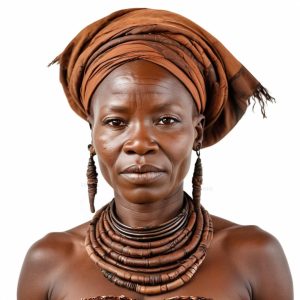
The Himba People are nomadic or pastoral-nomadic, moving seasonally to find grazing land in the arid Kaokoland region of Namibia. They have traditionally used, low-impact, ecological Low-tech agricultural methods. there is a reliance on natural breeding, limited veterinary intervention, and traditional pastoral knowledge passed down through families.
The primary goal is small-scale, low-density, subsistence farming. This provides social status, and cultural continuity. Cattle are viewed as a source of wealth and used for milk, meat (on special occasions), and traditional rituals.
Hardy, indigenous breeds adapted to local, harsh conditions (disease resistance, drought tolerance), maintaining the savannah ecosystems through grazing which increases biodiversity. However the system is susceptible to drought when tensions and conflict can arise between cattle herding and conservation.

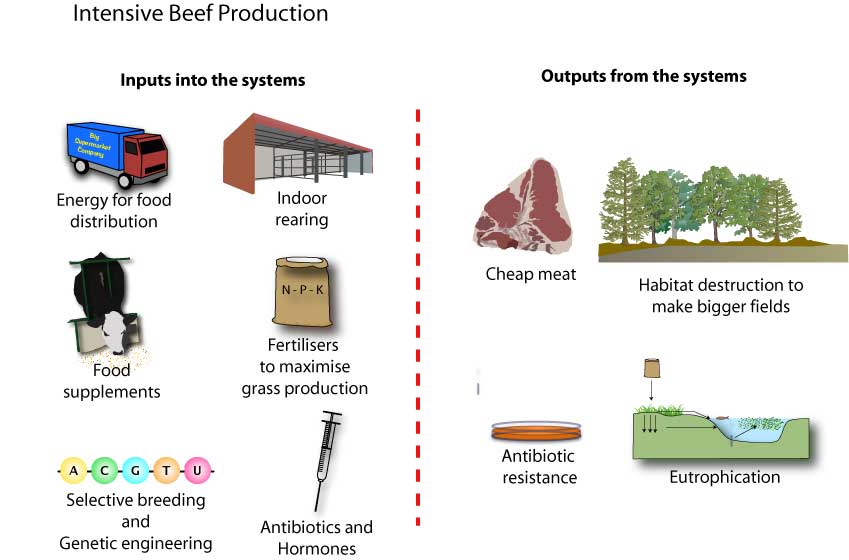
Industrialised Beef Production in Europe
Beef production in Europe is often high-tech, involving indoor, stall-based systems with, in some cases, high-calorie, formulated feed. It is designed to provide, high-volume meat production for commercial and economic gain.
It is a system which now depends on larger, specialised beef breeds such as Charolais, or male bullocks (castrated bulls) which were born within the dairy industry. The system is optimised for growth rates and meat quality.
Compared to more traditional farming systems it has low labour intensities increased use of high technology and a reliance on on mechanisation and automated systems, rather than a human workforce.
Over the last 50 years modern farming has had a considerable environmental impact, but with increasing emphasis on sustainable there has been a move towards lower impact practices.