
Traditional Harvesting vs. Land Conversion
While modern agriculture often relies on land conversion—clearing diverse ecosystems to create monoculture fields—traditional harvesting uses the existing biodiversity of an ecosystem. This approach is frequently cited as more sustainable because it maintains the structural integrity of the habitat.
Examples of Sustainably Harvested Forest Products:
Brazil Nuts (Bertholletia excelsa): These can only be produced in primary forests because they rely on specific large bees for pollination and the agouti, a rodent native to Central and South America for seed dispersal. Harvesting them provides an economic incentive to keep the forest standing.
Truffles & Fungi: These subterranean fungi form symbiotic relationships with tree roots. Their harvest requires no land clearing.

Bamboo Shoots: A fast-growing resource that can be harvested without killing the parent plant.
Honey & Insects: Traditional apiculture and entomophagy (eating insects) provide high-protein food sources with a fraction of the water and land footprint of cattle.

| Positives and Negatives of Traditional Harvesting | |
| Postives | Negatives |
| Habitat Preservation: Keeps ecosystems intact, preventing the carbon release associated with deforestation. | Slow Regeneration: Wild species often grow slower than domesticated crops, making them easy to over-harvest. |
| Genetic Diversity: Maintains a wide pool of wild species, which is vital for long-term food security. | Ecological Imbalance: Removing too much of a “keystone species” (like certain insects or fruits) can collapse the local food web. |
| Low Energy Input: Requires no synthetic fertilizers or heavy machinery, reducing the carbon footprint. | Inconsistency: Yields are unpredictable and highly dependent on seasonal and climatic fluctuations. |
“Bushmeat” – a complex issue
Traditional methods also include the harvesting of wild animals. This presents a significant ethical and ecological dilemma when dealing with endangered species:
Pangolins & Bears: Often harvested for traditional medicine or luxury food, these species face extinction due to slow reproductive rates.
Sustainability Gap: While indigenous harvesting for local subsistence may be sustainable, the transition to commercial “bushmeat” markets often leads to the “empty forest” syndrome, where the habitat remains but the large fauna are gone.

Are Low-Productivity Systems the Answer to Global Food Security?
There is a common claim that low productivity, indigenous, traditional and alternative food systems are the solution to global unsustainability. However, these claims must be evaluated against the scale of human need.
The Argument for Indigenous Systems
- Resilience: Traditional and Indigenous systems are often more resilient to change – such as local climate shocks.
- Biodiversity: They preserve genetic variety in crops and livestock.
- Low Input: They require fewer synthetic fertilisers and pesticides (Nitrate based fertilisers, etc.), reducing chemical runoff.
The Reality of Global Demand
The primary argument against these systems is their low productivity. To feed a global population projected to reach 10 billion, we must consider:
- Yield Gaps: Traditional systems often produce significantly less food per hectare than intensive agriculture.
- Caloric Requirements: Can low-productivity subsistence systems provide the sheer volume of calories needed for urban populations?
- Commercial Value: Without commercial viability, these systems may not provide the economic uplift required to move rural populations out of poverty.
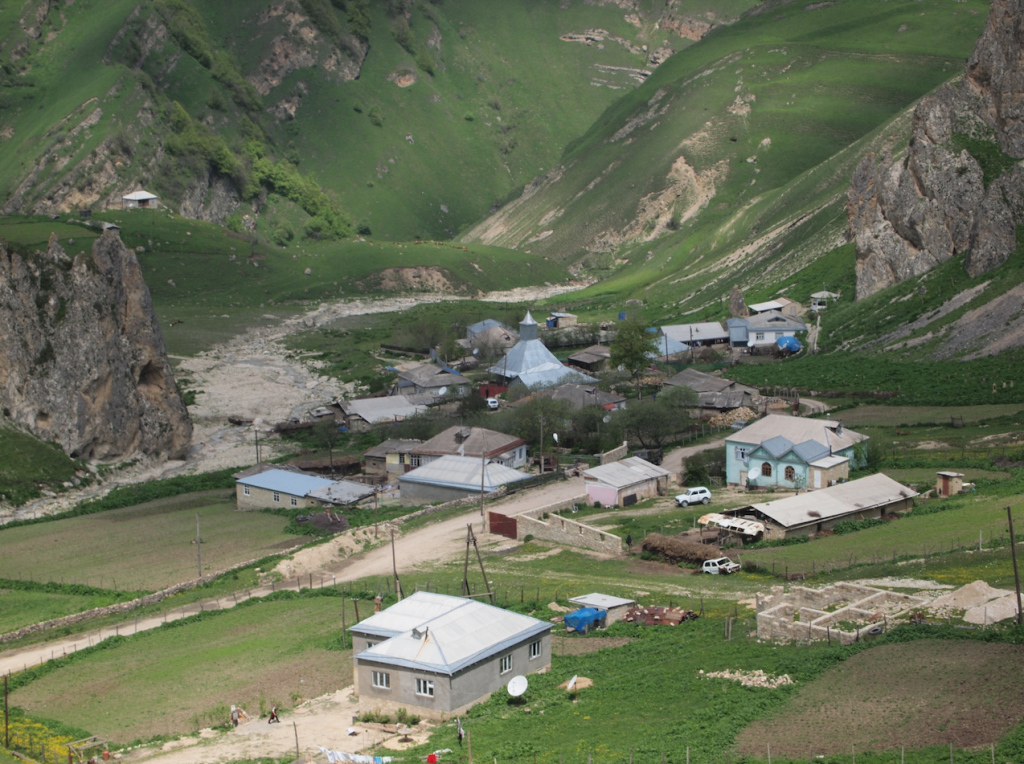
The Argument for Indigenous and Traditional Systems
These systems are often “circular,” meaning waste is reused and the soil is not depleted. They prioritise long-term survival over short-term profit.
The Argument for Industrial Efficiency
The primary challenge is scale. Low-productivity systems, by definition, produce less food per hectare.
| System Type | Pros | Cons |
| Indigenous / Traditional / Alternative | High biodiversity; protects soil health; culturally significant. | Low Yield: Requires vast amounts of land to feed few people; cannot support urban centers. |
| Industrial / High-Yield | High Output: Feeds billions; lowers the cost of food; requires less land per calorie produced. | High environmental cost; loss of biodiversity; heavy reliance on fossil fuels. |
To determine if a food system is truly “sustainable,” we can apply questions about three conditions:
| Condition | Traditional Harvesting | Industrial Agriculture |
| Environmental | High (Maintains ecosystems) | Low (Habitat loss, pollution) |
| Social | High (Preserves culture) | Moderate (Job creation vs. rural displacement) |
| Economic/Scale | Low (Difficult to scale) | High (Efficiently feeds billions) |
The Sustainability Paradox
While traditional methods are undeniably more sustainable at a local level, they may be unsustainable at a global level if they cannot meet the food needs of 8–10 billion people.
If we converted all food production to low-productivity traditional systems, we might actually need more land to feed everyone, potentially leading to more deforestation, not less. Or we may need to drastically reduce the amount of meat we eat. The goal of modern sustainability is often seen as finding the “Middle Way”: using ecological principles from traditional systems while maintaining the efficiency of modern scientific agriculture.