
Marginalised Groups and Land-Use Decisions: Why Inclusion Matters
Land-use decisions shape livelihoods, ecosystems, and cultural identity. When governments and companies plan large-scale agriculture, infrastructure, or commercial development without meaningful consultation, marginalised communities are often the first and hardest hit. In Cambodia, the experience of Indigenous Peoples (Chuncheat) demonstrates how exclusion from land-use decision-making increases vulnerability (OHCHR, 2007; UNDRIP, 2007).
Indigenous Peoples in Cambodia: A Case Study
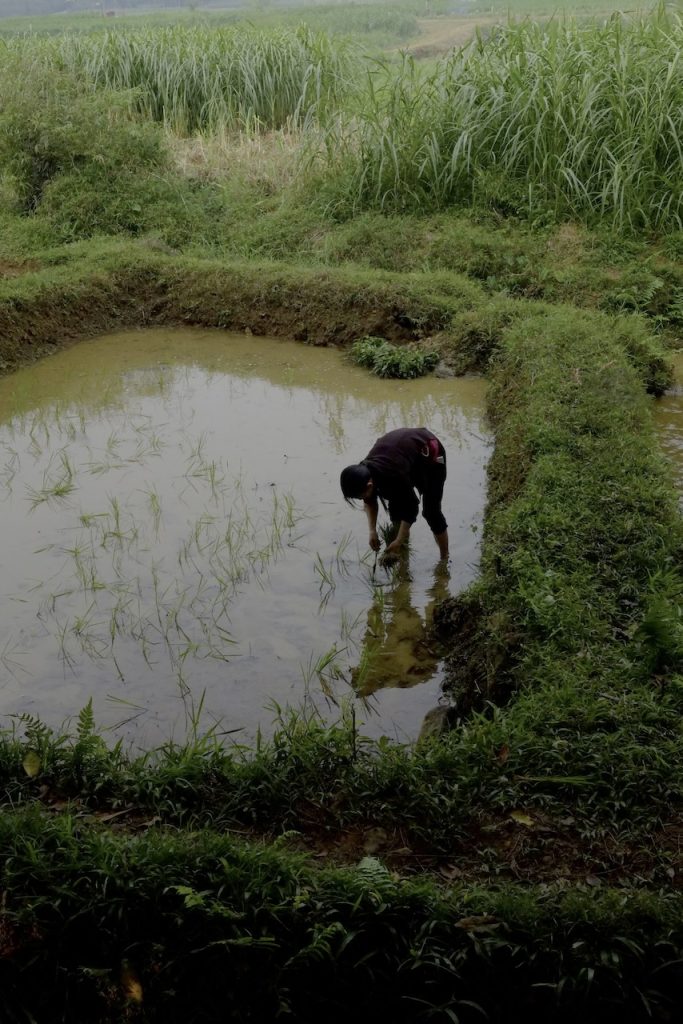
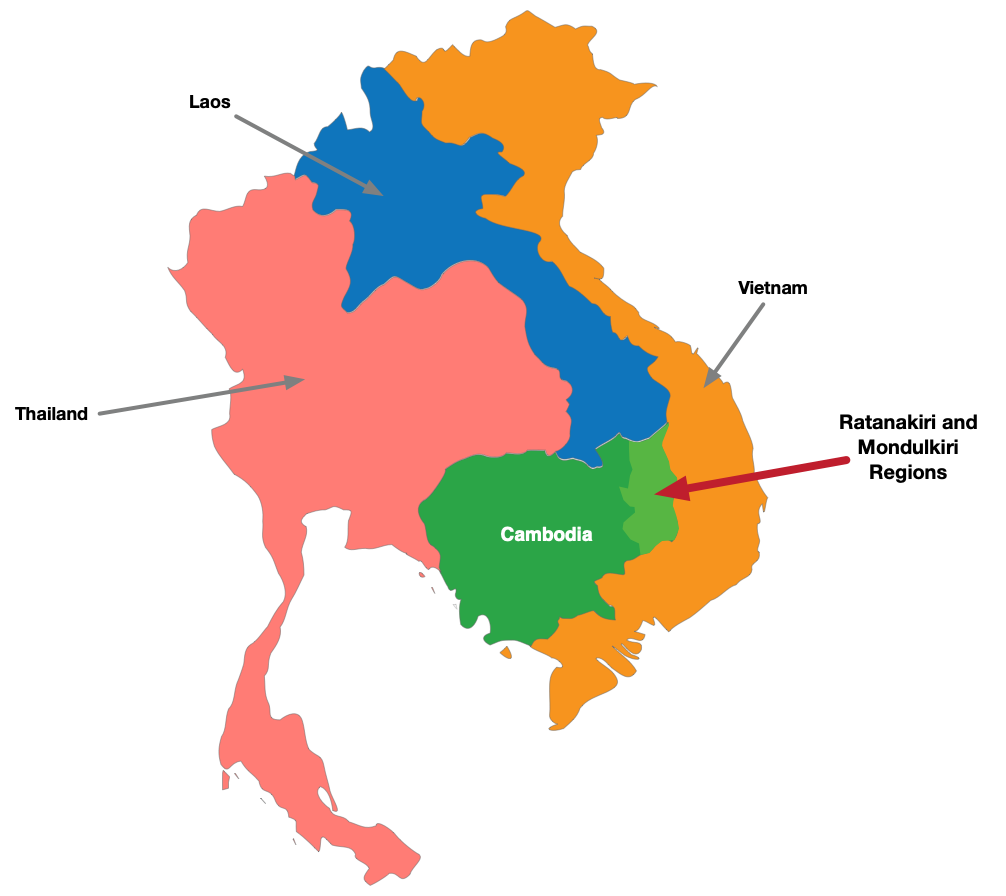
Indigenous communities in northeastern Cambodia, particularly in Ratanakiri and Mondulkiri, depend heavily on forests for food, medicine, spiritual practices, and livelihoods (IWGIA, 2023). Their traditional land-use systems—such as shifting cultivation—are adapted to local ecological conditions and have sustained communities for generations.
However, these communities face increasing pressure from:
- Economic Land Concessions (ELCs)
- Large-scale agribusiness plantations
- Infrastructure and extractive industry projects
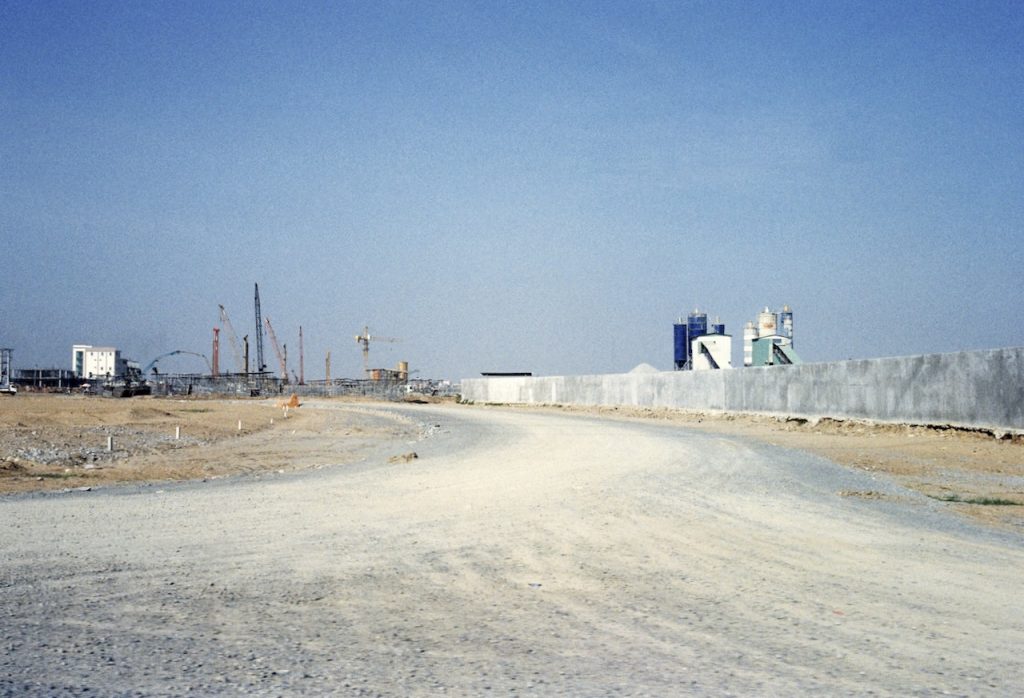
Economic Land Concessions (ELCs) are long-term leases (up to 99 years) granted by the Cambodian government to private entities for industrial-scale agricultural development. These concessions, often up to 10,000 hectares, allow companies to clear land for large-scale plantations, animal farming, and processing factories, aimed at economic growth.
Many of these developments have proceeded without respecting the principle of free, prior, and informed consent (FPIC), a right affirmed in the United Nations Declaration on the Rights of Indigenous Peoples (UNDRIP, 2007). FPIC requires that Indigenous communities be fully informed and voluntarily agree to projects affecting their lands before they begin.
How Exclusion Increases Vulnerability
1. Displacement and Loss of Ancestral Land
Economic land concessions have often overlapped with customary Indigenous territories. Research has shown that ELCs in Cambodia have led to land dispossession, forced evictions, and loss of access to forest resources (LICADHO, 2014; Global Witness, 2013). When forests are cleared for plantations, communities lose farmland, sacred sites, and sources of non-timber forest products, undermining food security and income.
2. Environmental Degradation
Large-scale land clearing for rubber and other commercial crops has contributed to deforestation and biodiversity loss in northeastern Cambodia (Global Witness, 2013). Indigenous communities, whose livelihoods are directly linked to forest ecosystems, are disproportionately affected by these environmental changes.
3. Criminalization of Traditional Practices
Shifting cultivation, traditionally practiced by many Indigenous groups, is sometimes restricted or labeled as unsustainable under national land management frameworks. In practice, this has led to conflicts with authorities and, in some cases, legal penalties for Indigenous farmers continuing customary practices (IWGIA, 2023).
4. Loss of Cultural Identity
Land is central to Indigenous identity, spirituality, and social organization. The erosion of customary land tenure weakens cultural continuity and community cohesion (OHCHR, 2007). Development that fails to recognize Indigenous land rights risks undermining not only livelihoods but also cultural survival.
Why Inclusive Land-Use Planning Matters
Inclusive land-use planning grounded in FPIC and recognition of customary tenure can:
- Protect livelihoods and food security
- Preserve biodiversity through traditional ecological knowledge
- Reduce land conflicts
- Promote equitable and sustainable development
- Uphold internationally recognized human rights standards (UNDRIP, 2007)
When marginalized groups are excluded, development may increase inequality and social instability. When their voices are included, outcomes are more just and environmentally sustainable.
Key Takeaway
Marginalized groups are more vulnerable when their needs, knowledge, and rights are not taken into account in land-use decisions. The case of Indigenous Peoples in northeastern Cambodia illustrates how economic land concessions and infrastructure projects, implemented without free, prior, and informed consent, can lead to displacement, environmental degradation, and cultural loss (LICADHO, 2014; IWGIA, 2023).
Sustainable land-use policy must therefore prioritize participation, legal recognition of customary land rights, and meaningful consultation. Development that respects human rights is not only more equitable—it is more resilient.
Work Cited
Global Witness. (2013). Rubber Barons: How Vietnamese companies and international financiers are driving a land grabbing crisis in Cambodia and Laos. London: Global Witness.
IWGIA (International Work Group for Indigenous Affairs). (2023). The Indigenous World 2023: Cambodia. Copenhagen: IWGIA.
LICADHO (Cambodian League for the Promotion and Defense of Human Rights). (2014). Land Grabbing and Poverty in Cambodia: The Myth of Development. Phnom Penh: LICADHO.
OHCHR (Office of the United Nations High Commissioner for Human Rights). (2007). United Nations Declaration on the Rights of Indigenous Peoples. United Nations.
United Nations. (2007). United Nations Declaration on the Rights of Indigenous Peoples. New York: United Nations.