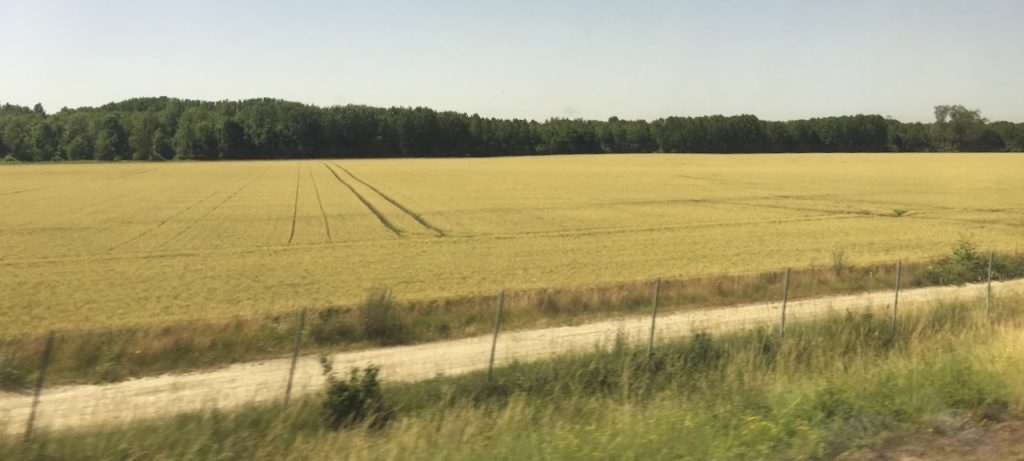
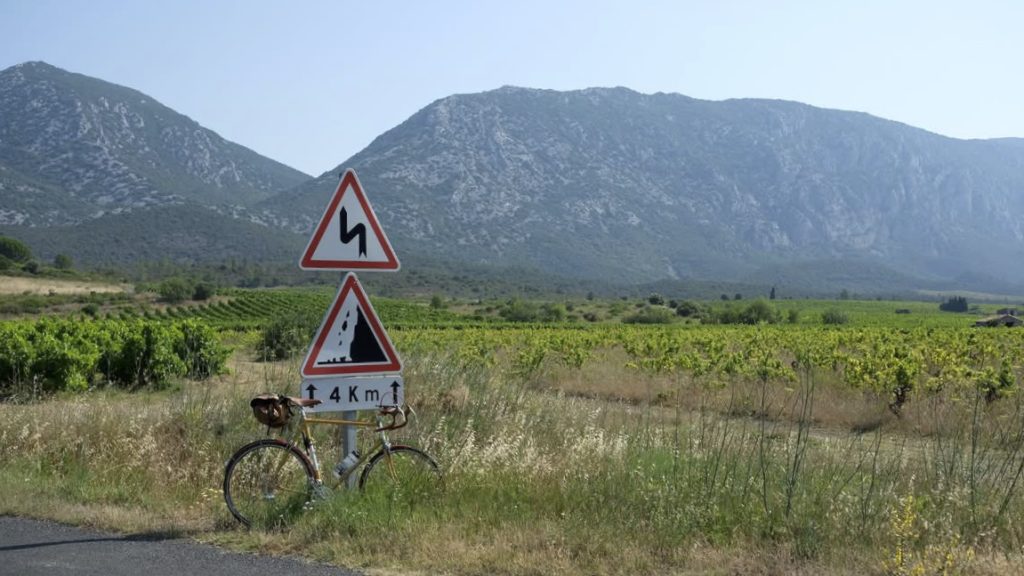
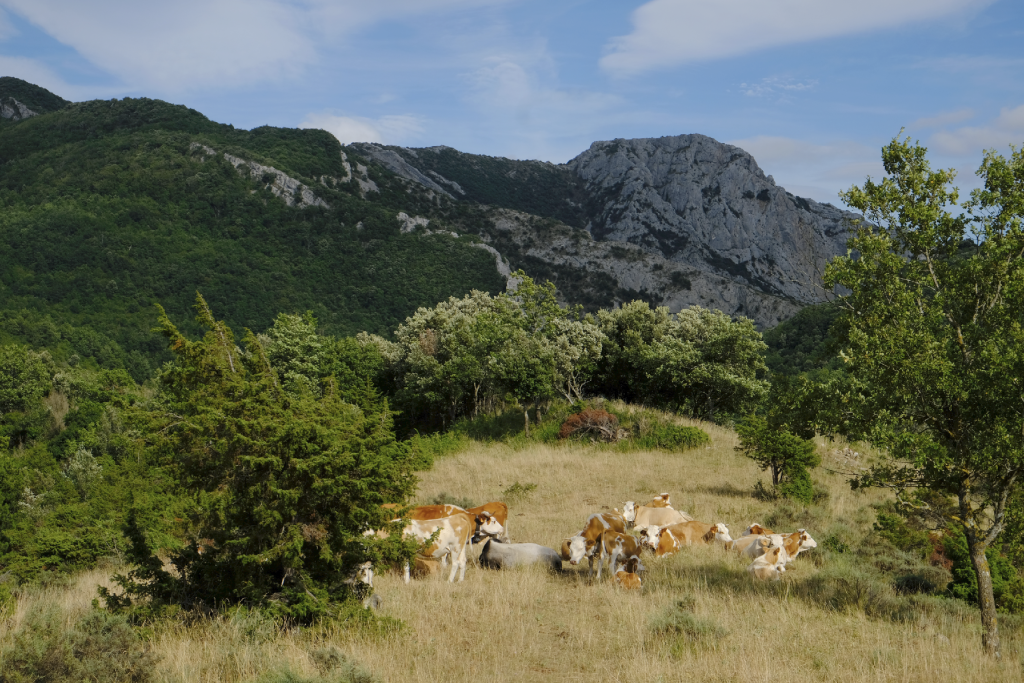
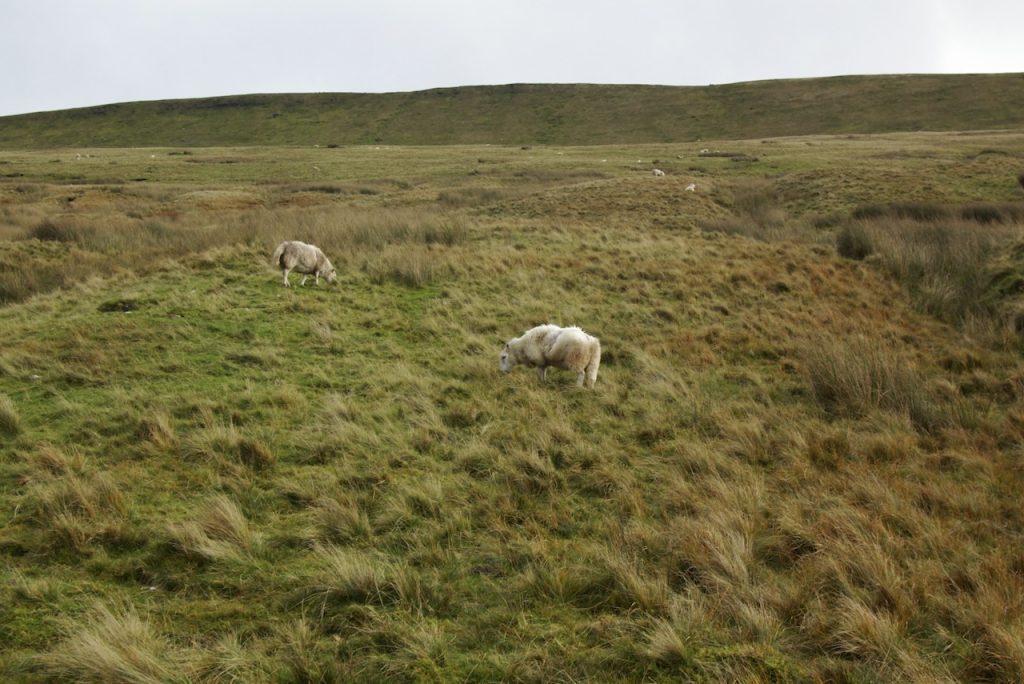
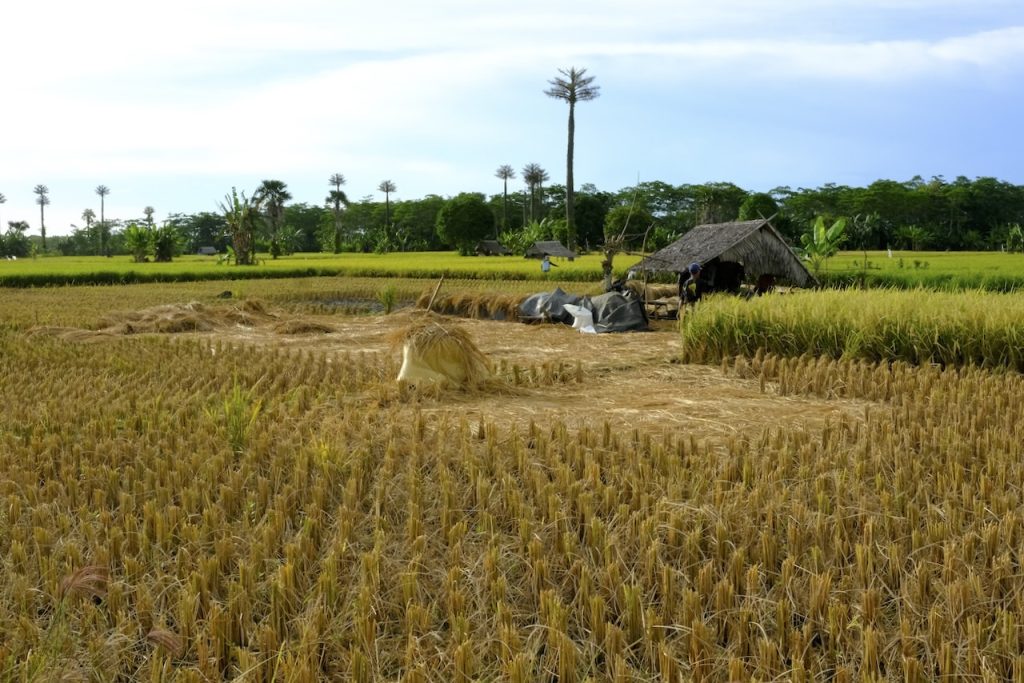
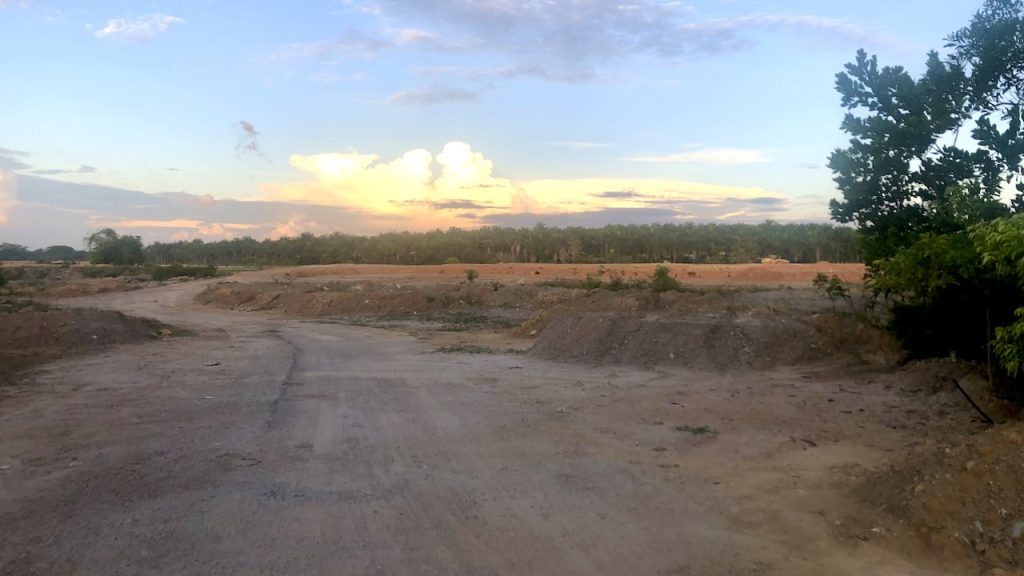
Producing enough food for a rapidly growing global population is a major tension between the environment and society.
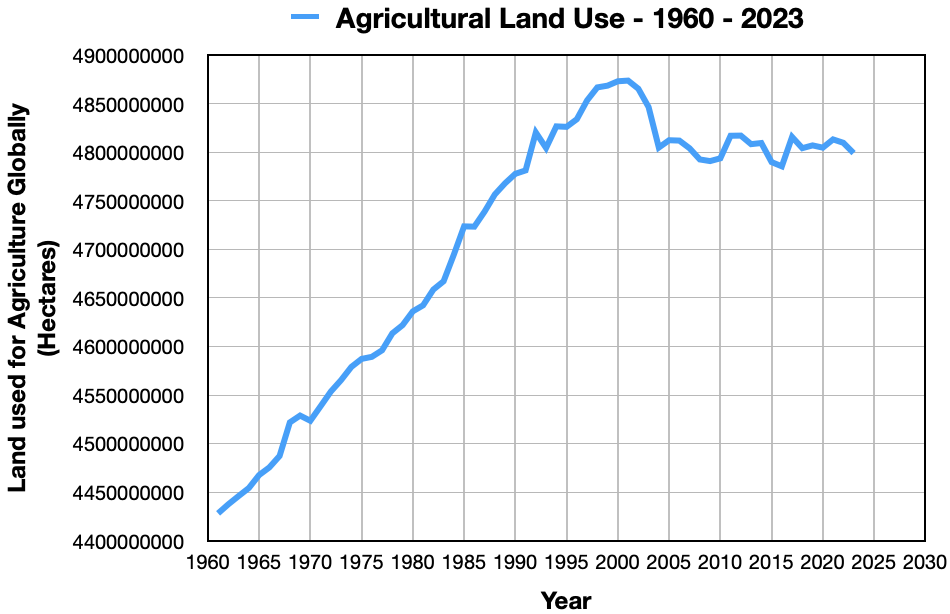
Between 1960 and 2000 there was a rapid rise in the number of hectares of land used for agriculture, however after 2000, that use dropped and is now around 4 billion Hectares.
However global population has continued to rise.
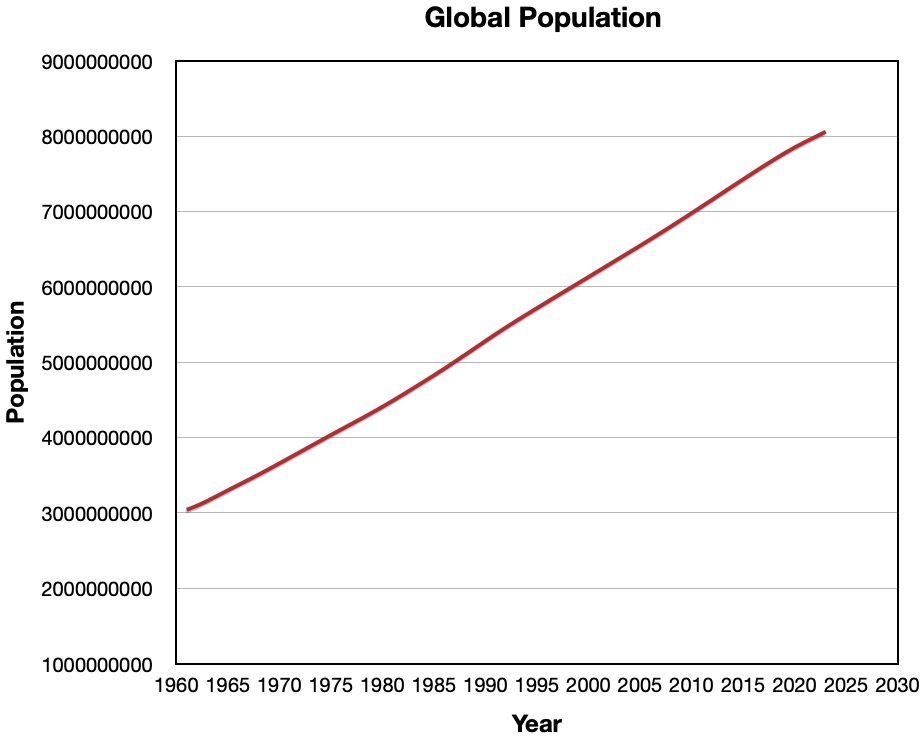
What might have changed after 2000?
Cereal Yields have also continued to grow steadily since 1960.
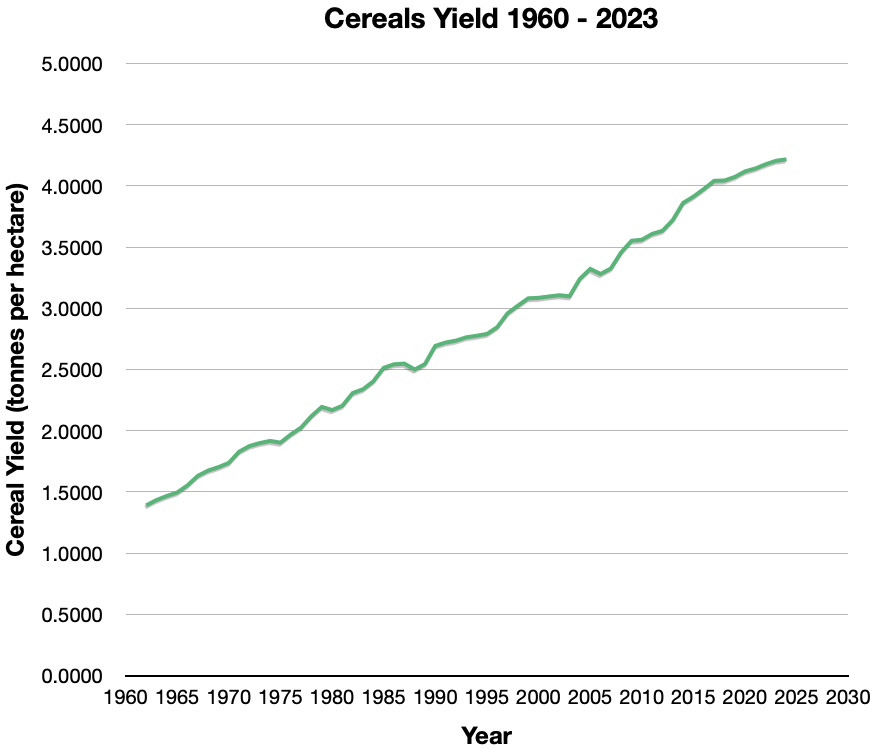
But the amount of land being used for all crops, including cereal has actually increased since 2000
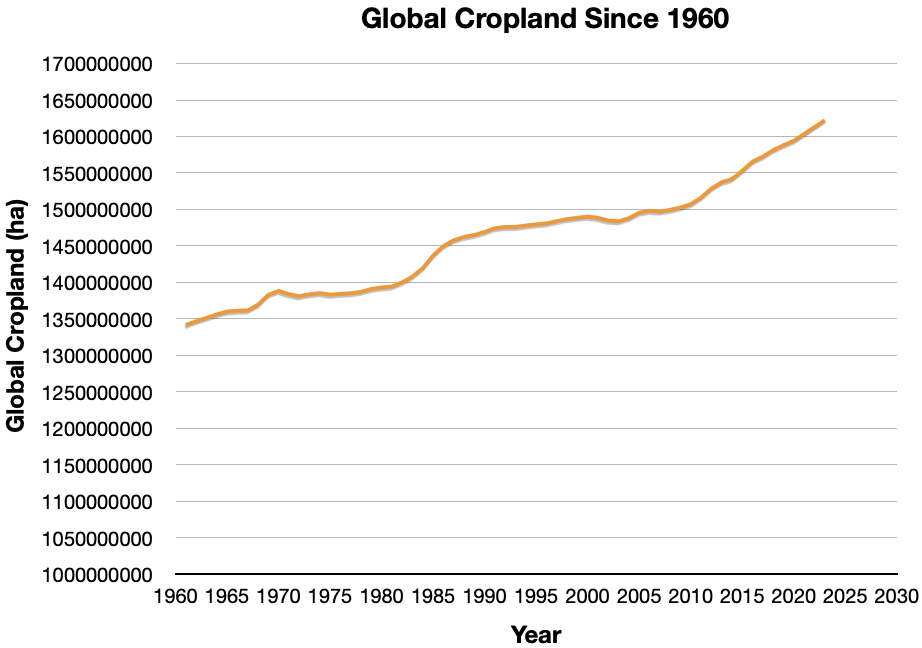
Around 70% of all available (ice free) land is used for either agriculture or forestry.

Land is a finite resource. To feed more people requires to either use more land or to produce more from the same amount of land. Whilst the graphs above show yields have grown since the 1960s this has come at a cost of habitat and biodiversity loss as well as increased pollution from intensive farming systems. For agriculture to be sustainable it needs to balance the needs of the environment and ecosystems with those of feeding society: A TENSION
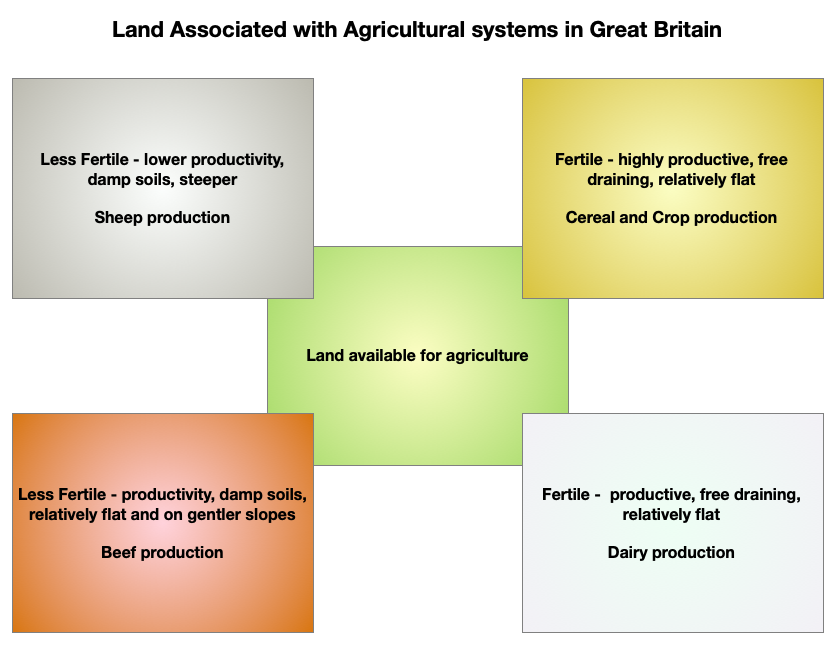
The other constraint is that not all land is suitable for agriculture.