
Hidden Dangers in the Food Chain
Understanding the Concept
Microplastics, tiny fragments of plastic less than 5 mm in size, are one of the most widespread forms of pollution in aquatic and terrestrial ecosystems. These particles originate from the breakdown of larger plastic items such as bottles, bags, and packaging materials under sunlight, wave action, and abrasion (secondary microplastics) or from products that are intentionally manufactured at a small size, such as cosmetic microbeads or synthetic fibres (primary microplastics).
Plastic debris on Ninh Hoa beach Vietnam from discarded fishing waste
Because plastics are non-biodegradable, they persist in the environment for decades or even centuries. Over time, they become coated with other non-biodegradable pollutants, such as persistent organic pollutants (POPs) and heavy metals. These pollutants are hydrophobic, meaning they tend to bind to the oily surfaces of microplastics rather than dissolve in water.

Microplastics as Pollutant Carriers
This process creates a powerful combination: microplastics act as carriers for pollutants, transporting often toxic chemicals through ecosystems.
Example: Microplastic Pollution on a Beach Ecosystem
A study conducted on beaches along the English Channel and Mediterranean coasts found high concentrations of microplastic particles mixed within the top layers of sand. These plastics often carried residues of hydrophobic pollutants like PCBs and hydrocarbons from urban runoff.
Microplastics in beach environments pose a unique threat because they occupy the interface between land and sea. On sandy beaches, they mix with sediments and can be easily ingested by small invertebrates such as sandhoppers, lugworms, and ghost crabs. These organisms form the base of the coastal food chain, meaning that any pollutants attached to the microplastics can quickly enter and move through the entire system.

When these invertebrates ingest contaminated microplastics, toxic substances can accumulate in their tissues. Predators—such as shorebirds, fish in tidal pools, or even small mammals that forage along the coast—then consume the contaminated prey, leading to bioaccumulation and biomagnification of pollutants through successive trophic levels.
- Sandhoppers and lugworms were observed ingesting the microplastics while feeding on detritus in the sand.
- These invertebrates were then consumed by shorebirds such as gulls and sandpipers.
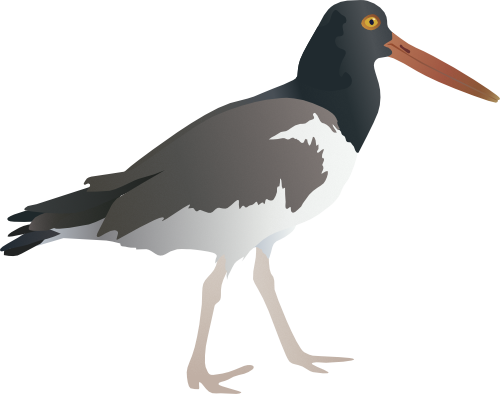
- In turn, predatory birds like oystercatchers accumulated even higher concentrations of these pollutants through biomagnification.
The same beaches are often used by humans for recreation and fishing, meaning the microplastics and associated toxins can also enter human food chains through shellfish and other coastal species.
Consequences for Ecosystems and Humans
For marine organisms, the ingestion of microplastics can lead to:
- Physical damage to digestive tracts
- Reduced feeding and energy intake
- Reproductive issues due to hormonal disruption from absorbed chemicals
For humans, consuming seafood contaminated with microplastics and associated pollutants poses risks of endocrine disruption, immune system effects, and potential long-term toxicity.
Key Takeaways
- Microplastics are non-biodegradable pollutants that persist in ecosystems.
- They absorb toxic substances like PCBs and DDT, acting as carriers.
- These pollutants bioaccumulate in organisms and biomagnify along the food chain.
- Human health can ultimately be affected through the consumption of contaminated seafood.