Is There a Global Food Shortage?
Global Hunger

The concept of global hunger suggests a simple problem: not enough food. However, this assumption is misleading.
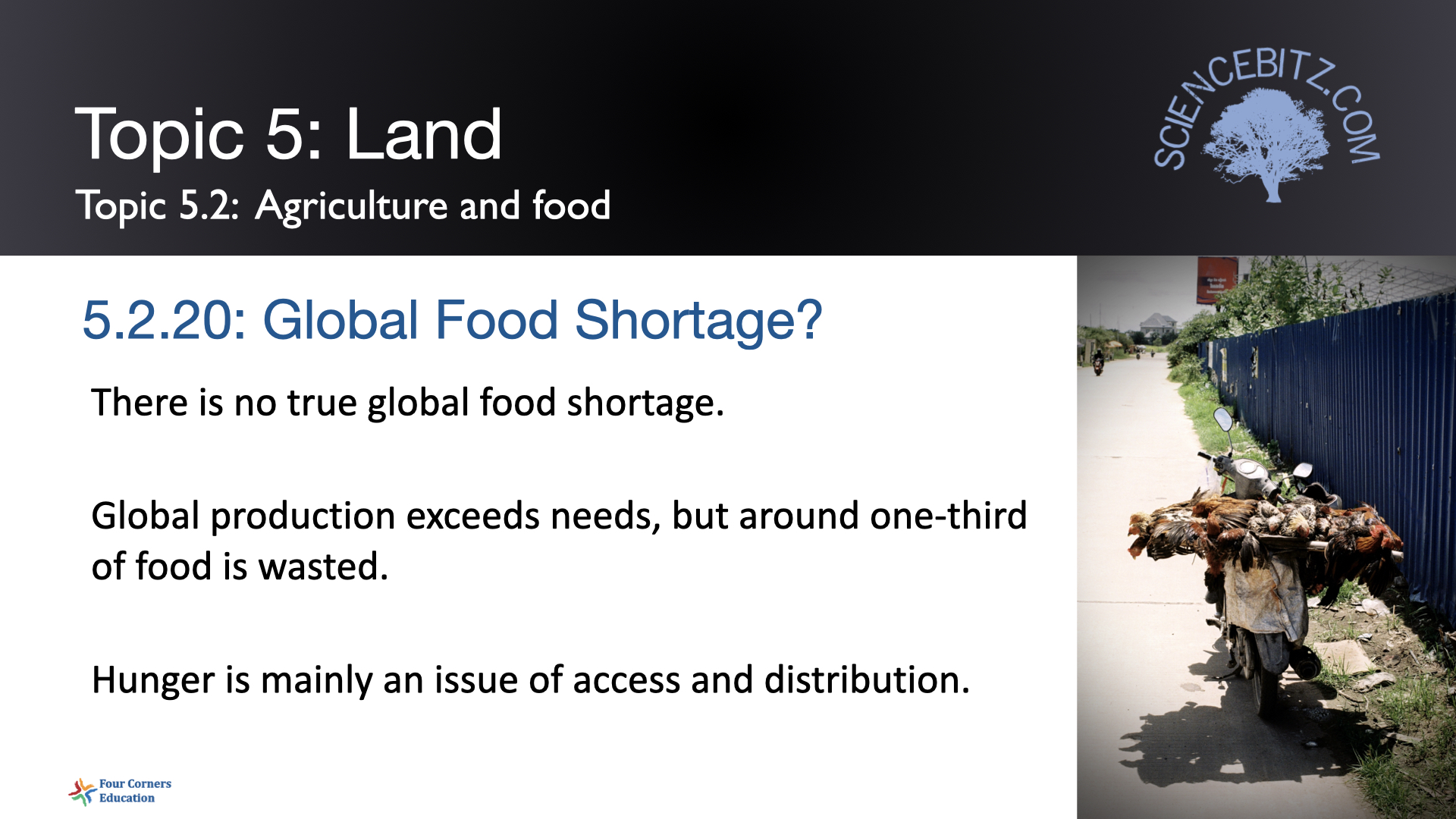
There is no true global food shortage. In fact, current agricultural production exceeds the nutritional needs of the world’s population. Yet, nearly one-third of all food produced—around 1.3 billion tonnes—is wasted. The real issue lies in access, distribution, and sustainability.
The Myth of a Global Food Shortage
Despite sufficient global production, millions suffer from hunger due to systemic inefficiencies.
Food insecurity is primarily a distribution problem, not a production problem.
Food may exist in abundance globally, but it often fails to reach those who need it most due to:
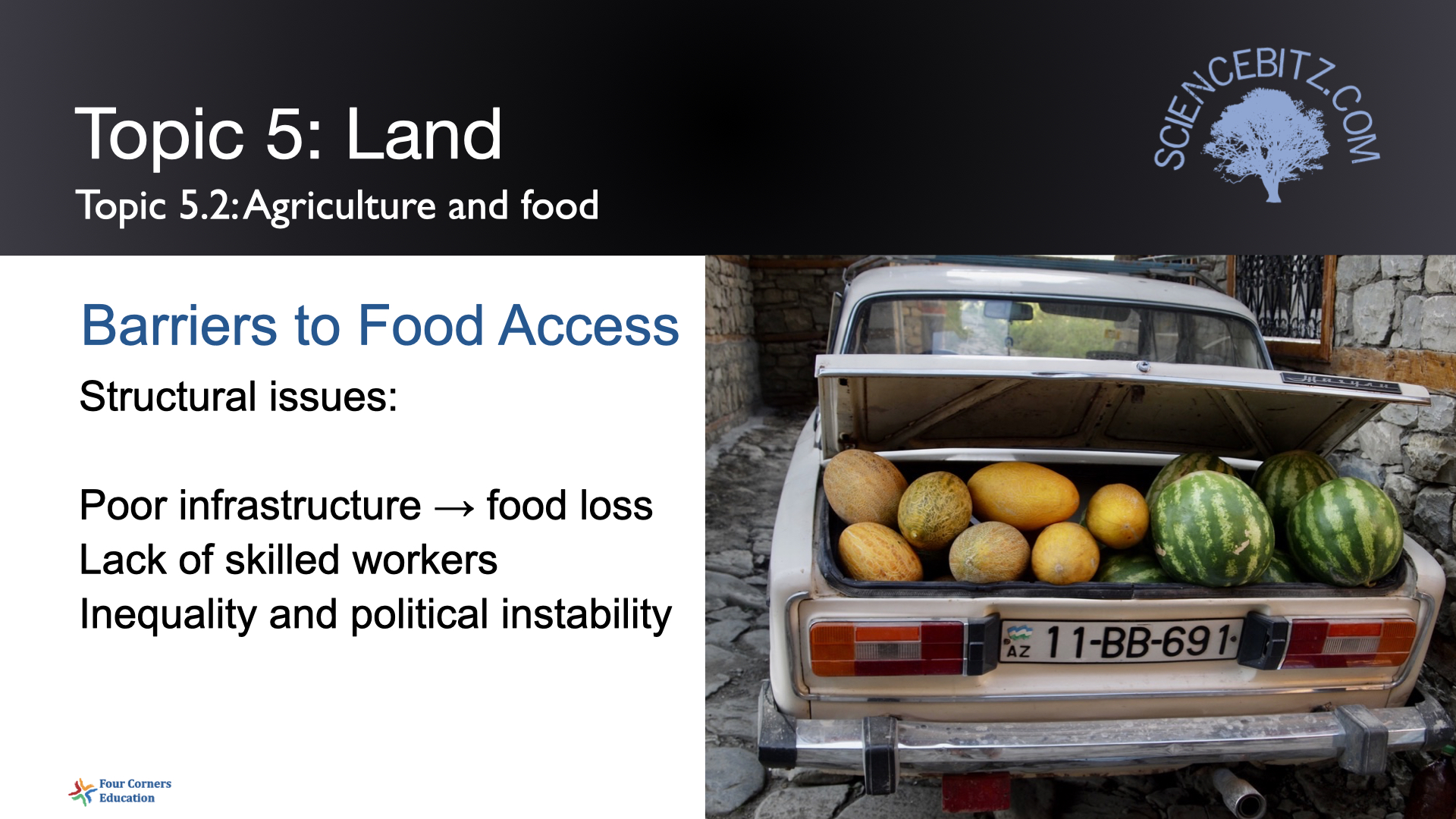
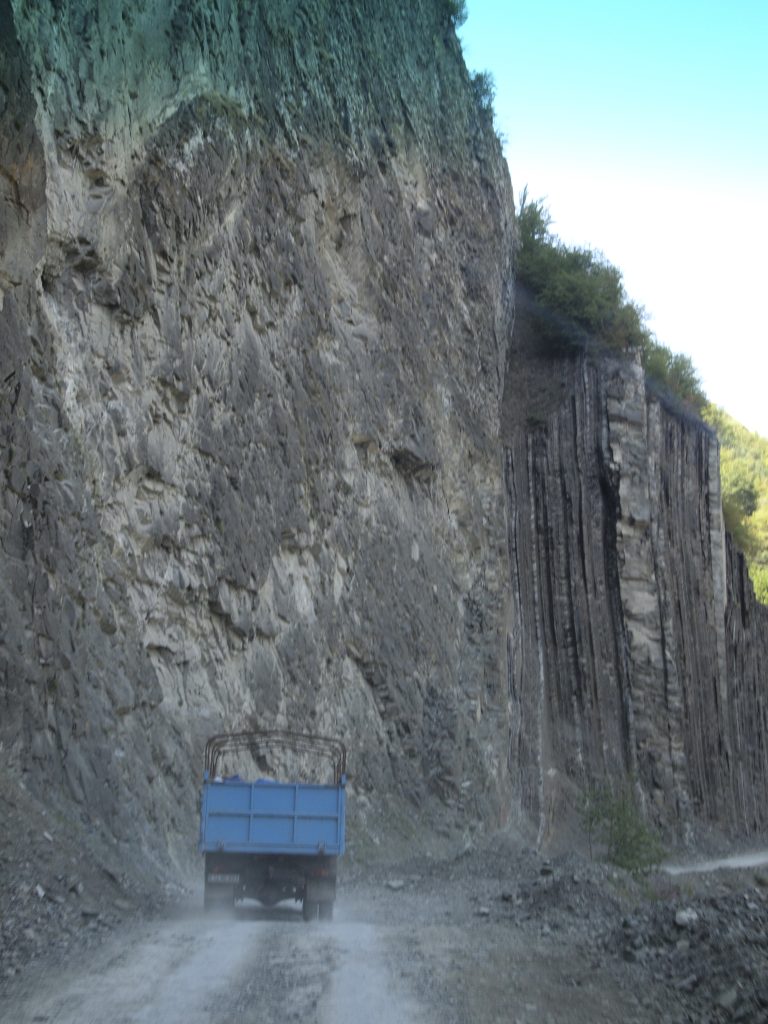
- Poor infrastructure (roads, storage, and transport)
- Economic inequality (affordability vs. availability)
- Political instability (interrupted trade and aid)
The Three Major Drivers of Hunger and Famine
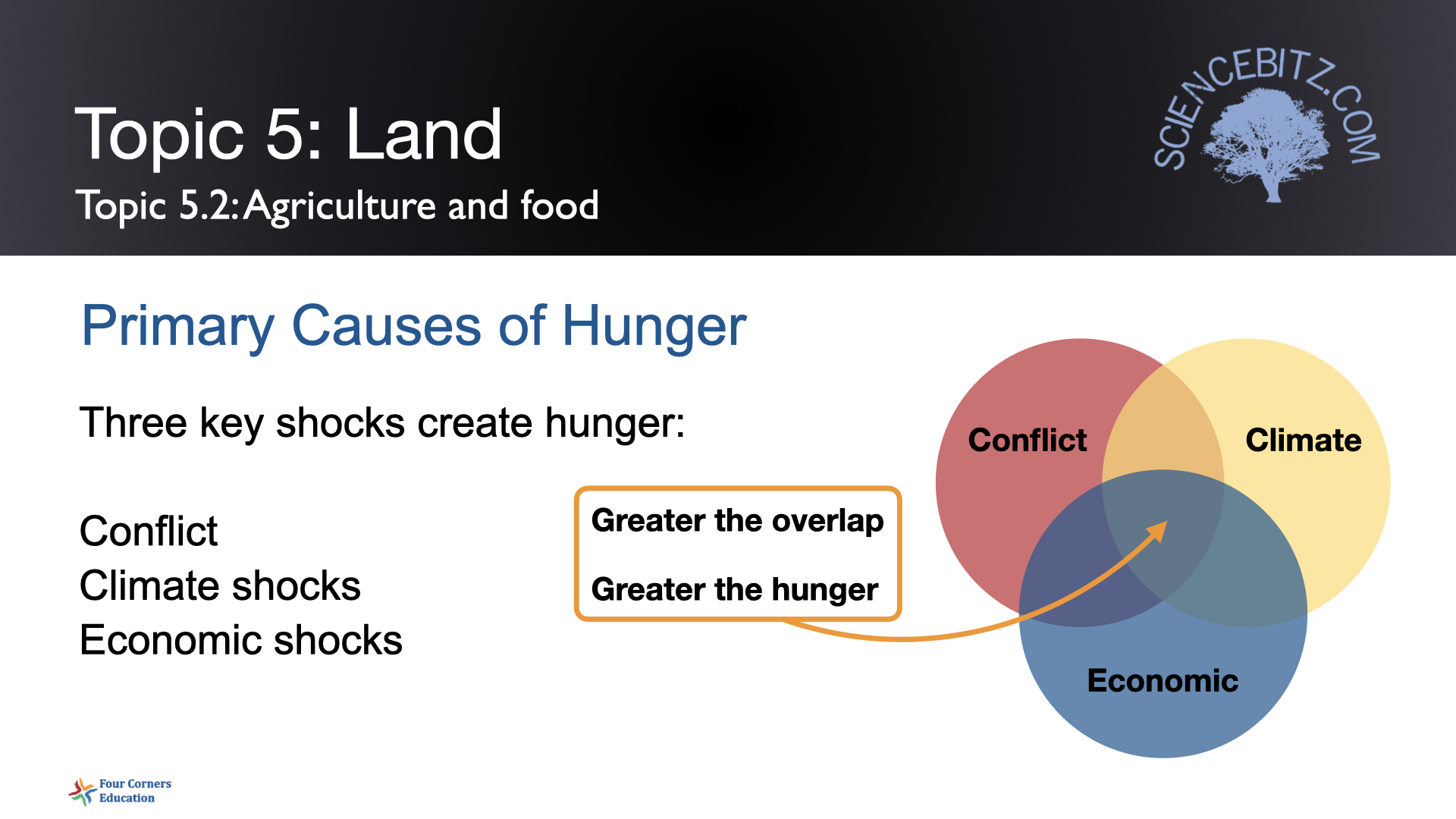
Hunger crises are often triggered by a combination of interconnected “shocks”:
Conflict
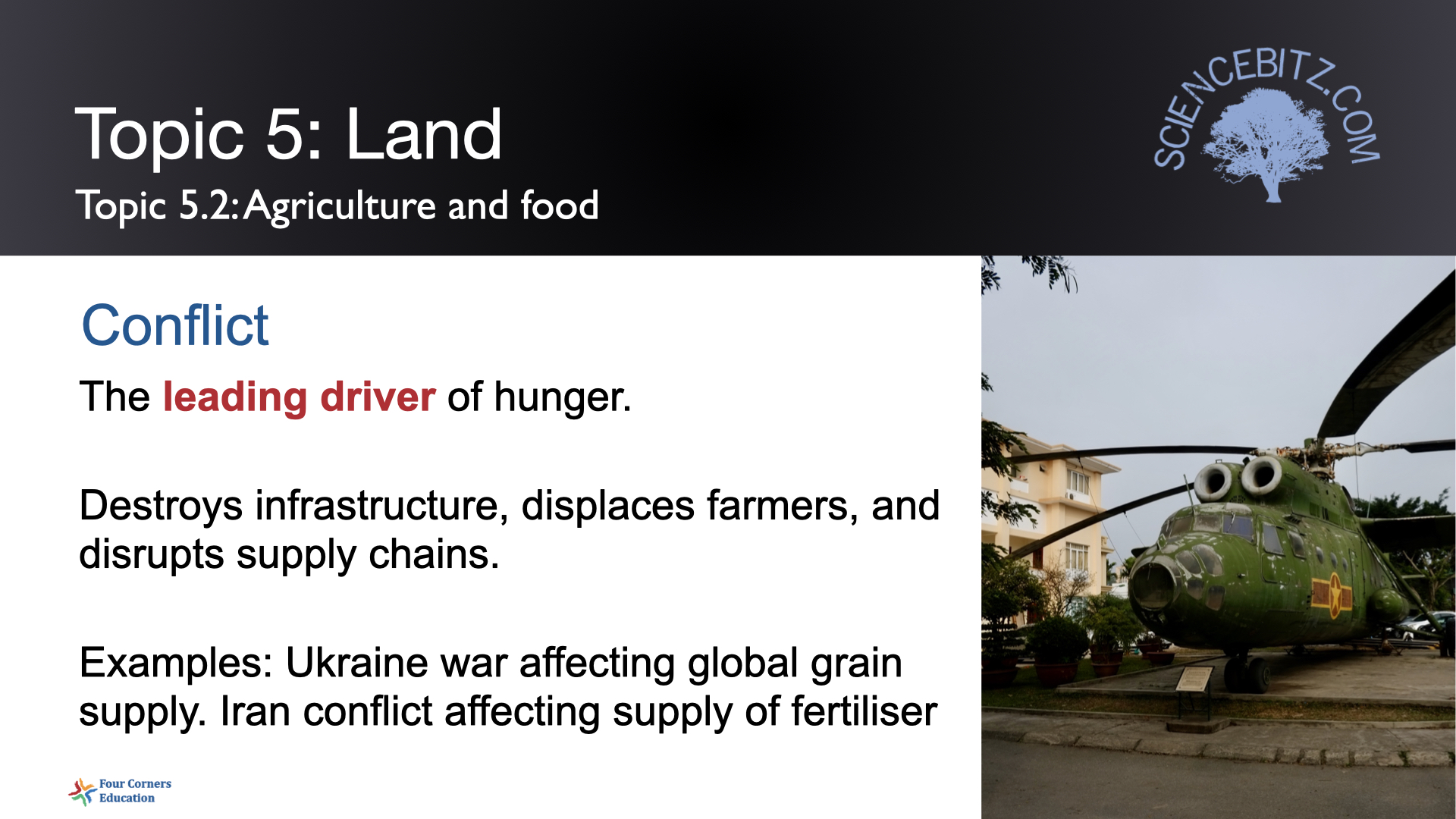
The leading cause of hunger globally. War destroys infrastructure, displaces farmers, and causes supply chains to collapse. A clear example is the disruption of grain exports during the war in Ukraine—a global “breadbasket”—which reduced access in regions like the Ethiopia and Somalia.
Climate Shocks
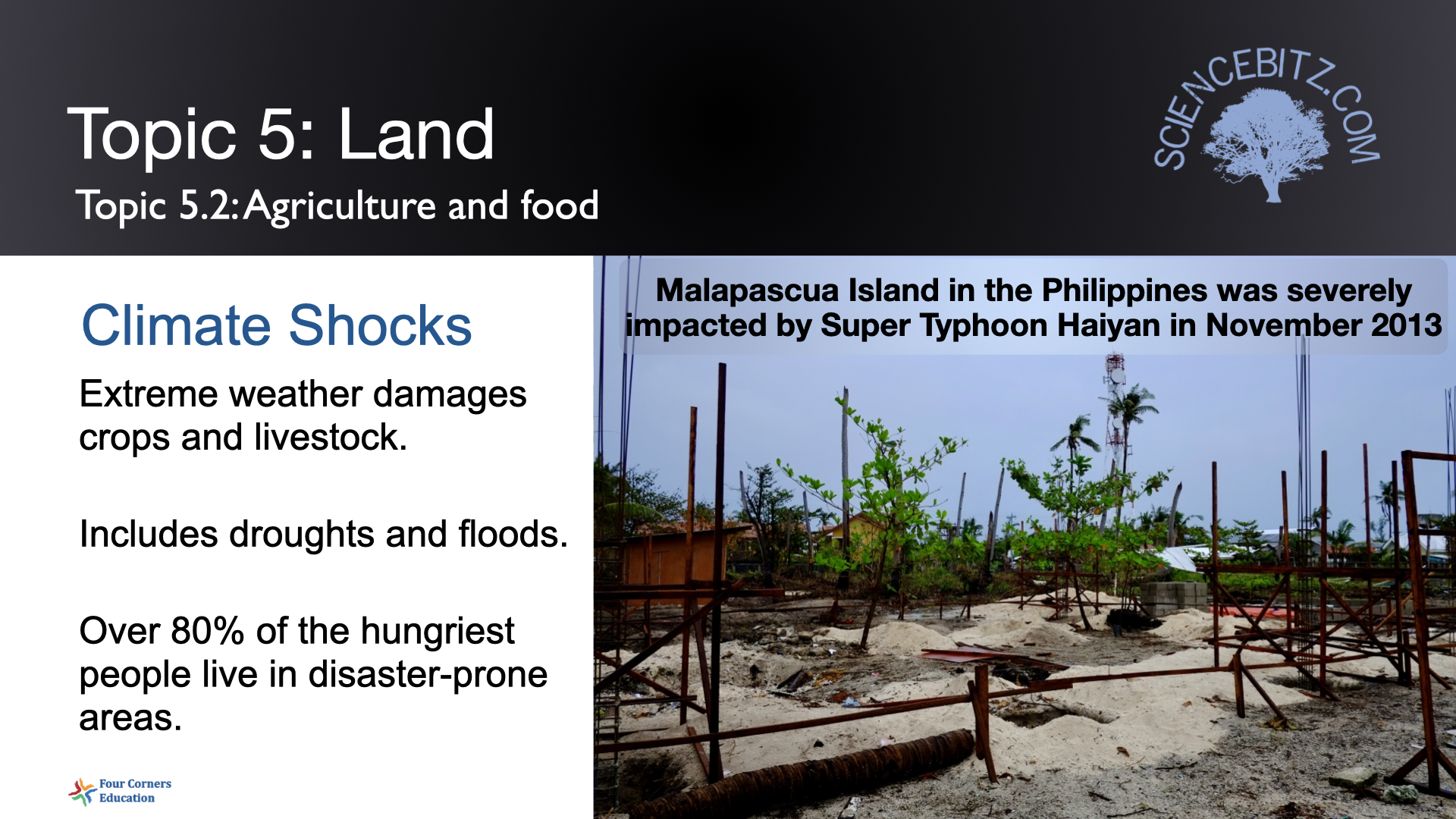
Extreme weather events increasingly threaten food systems. Over 80% of the world’s hungriest populations live in climate-vulnerable regions where droughts destroy livestock and flooding ruins crops.
Economic Shocks
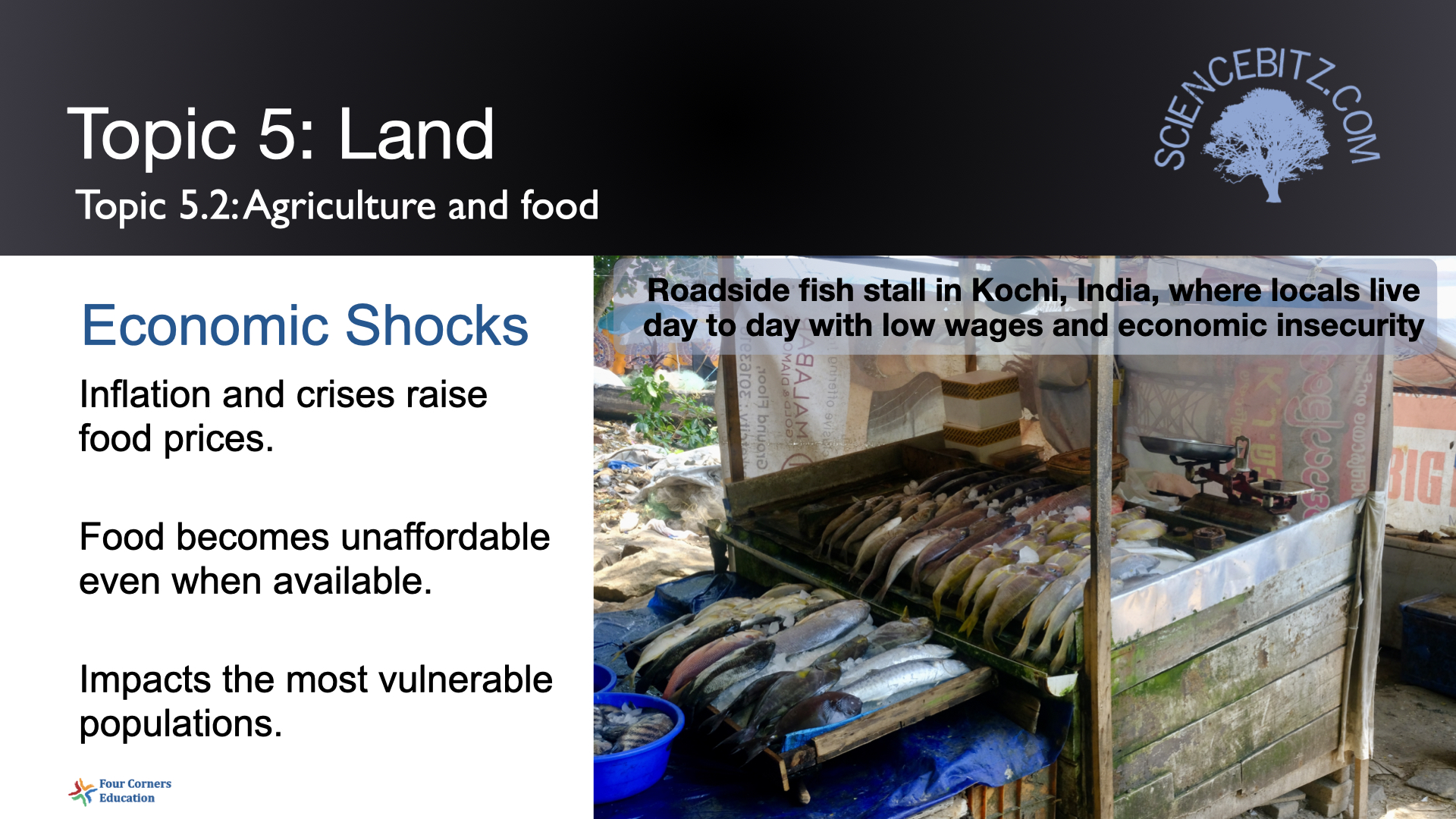
Global events can rapidly increase food prices. Inflation reduces purchasing power, meaning food may be available on the shelf but remain entirely unaffordable for local populations.
Food Quality and the “Double Burden” of Malnutrition
Food systems do not only determine who eats, but also what they eat. This leads to a critical problem:
| Issue | Impact | Result |
| Uneven Distribution | Overconsumption in high-income regions | Obesity and chronic disease |
| Undernourishment | Lack of access in low-income regions | Stunting and vitamin deficiencies |
| Processing | High-calorie, low-nutrient “junk” food | Type 2 diabetes and heart disease |
IMPORTANT: Biomass does not equal nutritional value. A person can be overfed but malnourished. E.G.Poverty diets in parts of South East Asia my contain a lot of rice, but may be lacking in essential vitamins and minerals.
Famine: A Failure of Systems, Not Just Crops
Famines are often wrongly attributed solely to environmental causes. History shows they are usually driven by failures in governance.
- The Irish Potato Famine: Triggered by blight, but worsened by unequal distribution and continued food exports.
- South Korean Severe Food Shortage: Following the Korean war (1950-1053) widespread hunger occurred as a result of the destruction and damage to infrastructure and agriculture. South Korea depended on International aid.
- East African Famines: Often a result of the “triple threat”: drought, conflict, and weak infrastructure.

Food Supply Chains and Sustainability
The complexity of how food moves from farm to plate has significant environmental and social costs.
The “Food Miles” Debate
Consumer demand for year-round availability means out-of-season foods are often imported.
- The Sustainability Trade-Off: Imported seasonal food may sometimes have a lower environmental cost than local food grown in energy-intensive, heated greenhouses.
WHY IMPORTED TOMATOES MAY BE BETTER FOR THE ENVIRONMENT THAN LOCAL GREENHOUSE GROWN
Intensive vs. Sustainable Farming
- Intensive Agriculture: High yields but leads to soil degradation, pollution, and biodiversity loss.
- Sustainable Alternatives: Practices like Agroforestry, Organic farming, and Regenerative agriculture aim to restore ecosystems.
The Planetary Health Diet (PHD)
To address both health and the environment, the Eat-Lancet Commission developed a framework for a sustainable future.
Key Principles of the PHD:
- Plant-Forward: Predominantly plant-based proteins.
- Limited Red Meat: Reducing the high resource cost of livestock.
- Reduced Waste: Halving food loss at both the production and consumer levels.
- Nutrient Density: Prioritizing whole foods over highly processed vegan alternatives.
The global food system is not failing due to a lack of production—it is failing due to inefficiency, inequality, and unsustainable practices.
Most Important Points:
- Hunger is driven by access, not scarcity.
- Malnutrition reflects both the quantity and quality of food.
- Creating a sustainable future requires systemic change (infrastructure) and individual responsibility (dietary shifts).
Solving these challenges demands a global effort to rethink how we produce, distribute, and value the food on our plates.