
Worldviews
These are collections of commonly shared values. Not two world views are the same, your worldview is unique to you. However, while they create your own personal sense of the world, they are shaped by the people around you and the culture in which you grow up. This means that whilst your worldview is unique to you, it is likely to be commonly shared with a group of people.
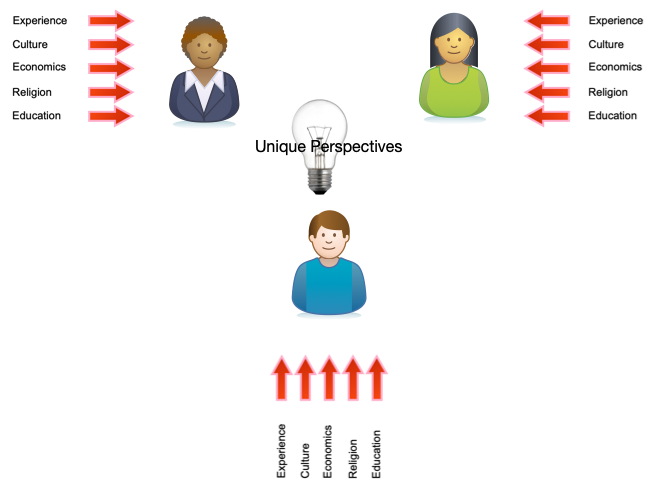
So this means that an Environmental Worldview is a set of collective beliefs and values that give us a sense of how the world and our relationship with the environment. It lets us make judgements about how we might use the environment around us.
Inputs into our environmental worldview include experiences we have had, the culture we are part of, our economic position our education and it could include our religion.
Unique Environmental Worldviews



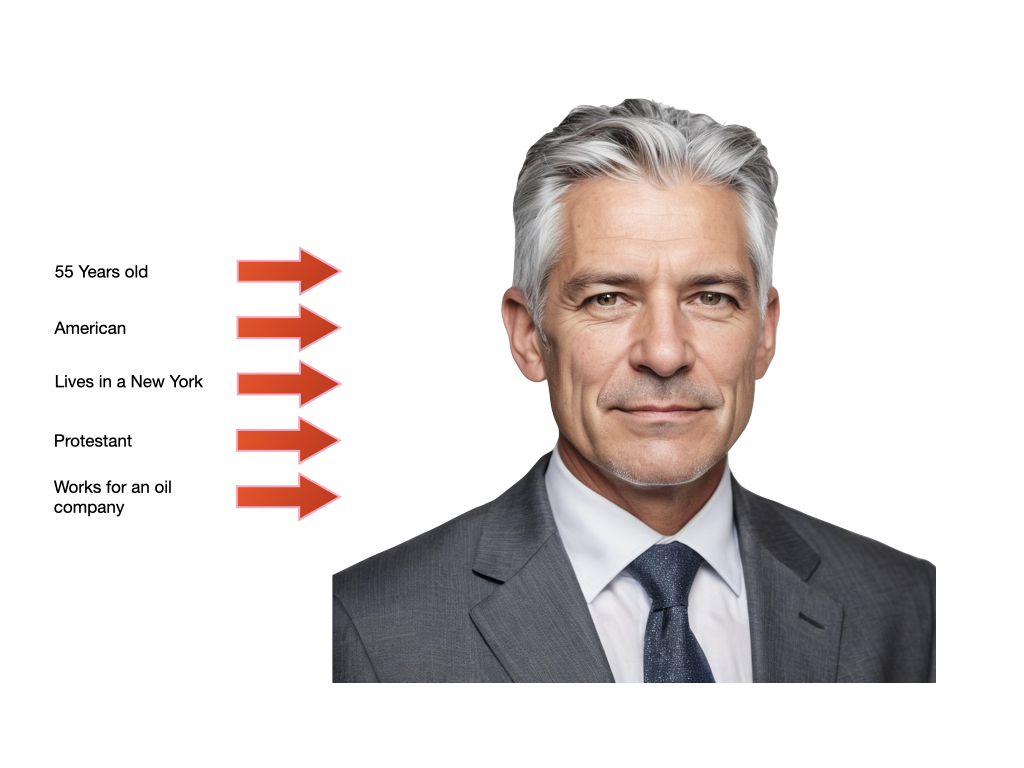
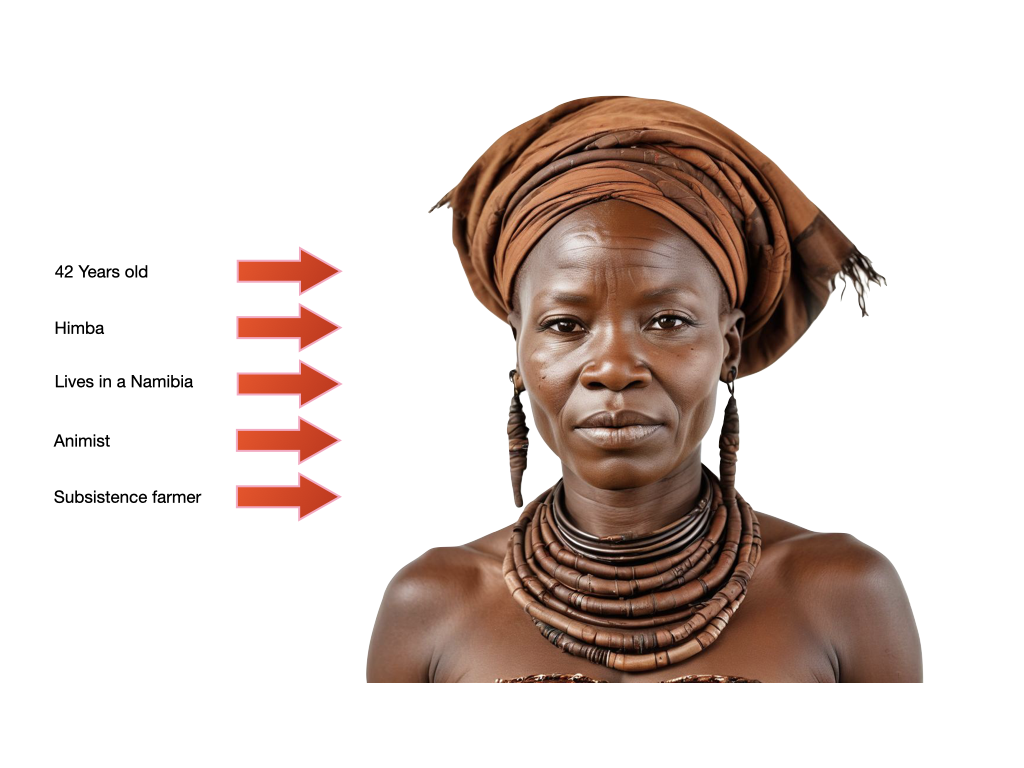
Different inputs may make us consider different environmental issues differently from some else.
How might these four people above consider the possibility of oil exploration in the Kalahari desert in Namibia? Click on each image to view the inputs to their worldviews.
Or how might they consider whether to buy cosmetic products made with Palm oil?
Suggest what their worldview might be on these issues and justify your answers.
Whose view?

The inputs don’t just come from our community. They also come for an ever growing range of sources.
The growth of social media means that anyone with a connected device now has access to an almost infinite range of views.
This makes it very difficult to be able to know exactly what creates each and every Environmental Worldview.
Whose views matter?
Whose veiws are you more likely to be influenced by? Why?


Check what you know so far
Ok so lets check what you know so far, by answering the questions below. This is only a small sample of questions which are designed to help students review their understanding of the corse. More information of how to access a bigger set of review questions and exercise can be found on the Courses page.
Environmental Worldviews and ToK
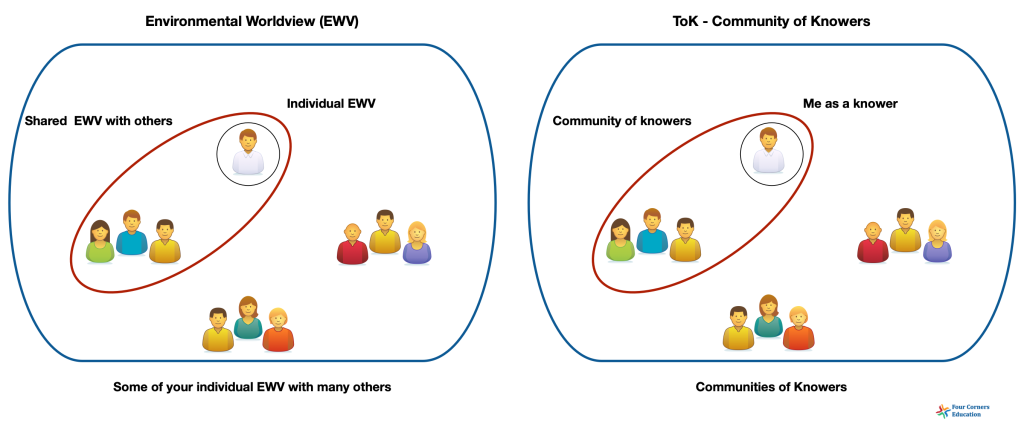
Thinking about Environmental Worldviews are similar to how we think about knowledge in ToK. In ToK you are a Knower in a Community of Knowers, which is part of many Communities of different knowers in different situtaions. Our Environmental Wordview is a bit like that. Your Environmental Worldview is unique, but some parts of it may be shared with a other people as agroup, and other parts of it may be shared with other groups, but togetehr you are likely to have similarities with many people thought there will be differences. That is why defining a specific Wordlview is very difficults
Different Models of Worldviews
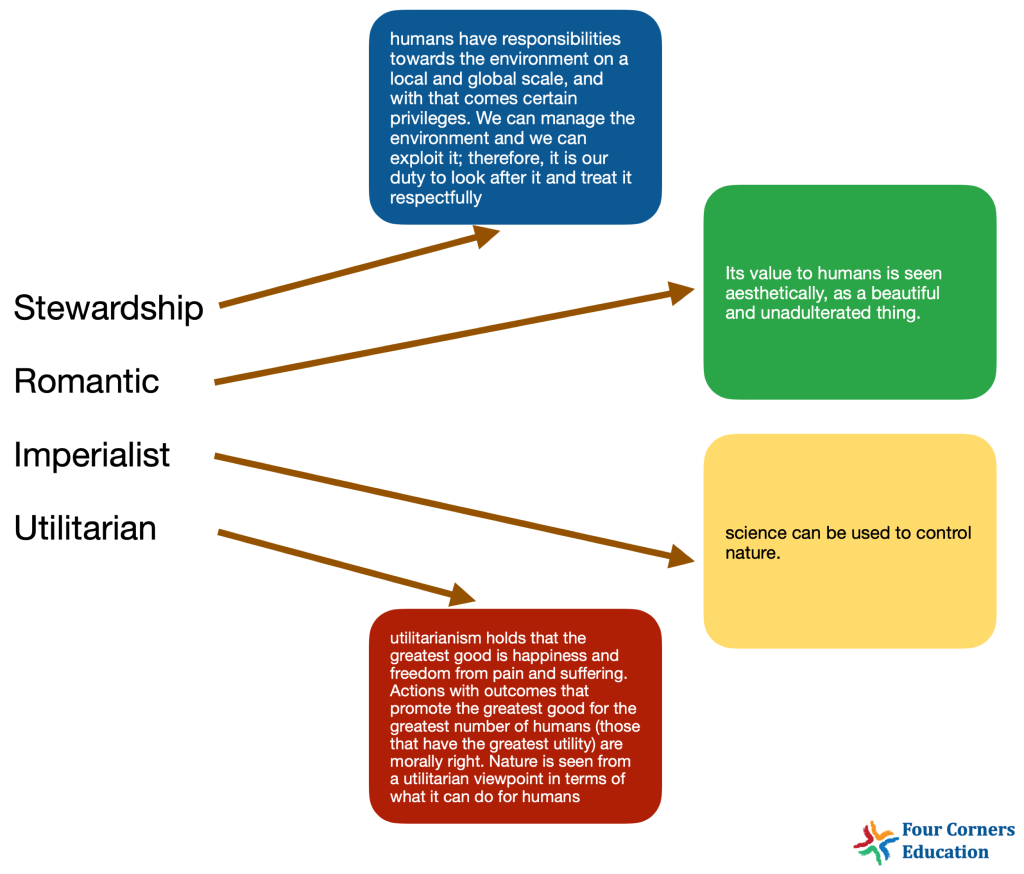
Because it is difficult to apply very specific models of Worldviews, various different classifications of Environmental Worldviews have been created by mnay different people, for different reasons.
Traditionally we used to see the world as split between Romanticism and Utilitarianism, proposed by Jean-Jacques Rousseau Jeremy Bentham in the 18th Century “age of Enlightenent” later philosophers added Imperialists and eventally Stewardship in the late 19th Century to descripe different Environmental Worldviews.
Complex Ideas
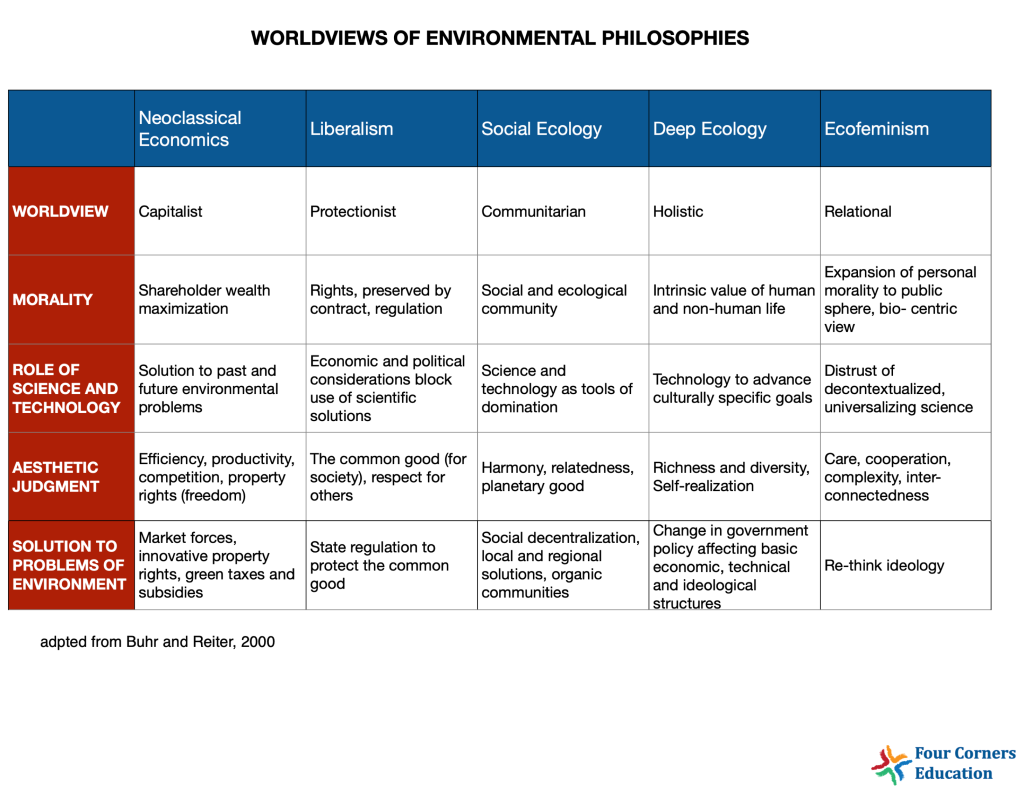
Philosophers have developed some very detailed and complex categorisations of Environmental Worldview, but the important thing to remember each is about positions that people take on the environment.
So ultimately our Environmental Worldview is unique.
Take a look at the detailed set of different Environmental Worldviews proposed by Buhr and Reiter and consider if you think your perspective would fit into any of those or if it would fit into more than one?
Ecoscentrics, Anthropocentrics, and Technocentrics
In 1981, O’Riordan suggested a much simpler broad set of categories (boxes) to put Environmental Worldviews into. He suggested that both indivdiuals and even societies fint broadly into three categories.
- Ecocentric – Holistic world view. Minimum disturbance of natural processes. Integration of spiritual, social and environmental dimensions. Sustainability for the whole Earth. Self-reliant communities within a framework of global citizenship. Self-imposed restraint on resource use.
- Anthropocentric – People as environmental managers of sustainable global systems. Population control given equal weight to resource use. Strong regulation by independent authorities required.
- Technocentric – Technology can keep pace with and provide solutions to environmental problems. Resource replacement solves resource depletion. Need to understand natural processesin order to control them. Strong emphasis on scientific analysis and prediction prior to policy-making. Importance of market, and economic growth.
He suggested that these create a spectrum of Environmental Worldviews where on different issues individuals can fint only different parts of the spectrum in one category for one issue but possibly in another for a different issue and smetimes even somewhere between the categories, based on whether we put nature, people or technology first.

Things to think about
- What are the things that influence your Environmental Worldviews?
- Do you share your Evironmental Worldview with others?
- How do you know?
- How does social media influence your perspectives not only about the environment?
- Are the groups that you share your Environmental Worldview the same as your communities of knowers? Entirely, partly, not at all? Justify your answer – that is good exam practice to always try to justify why you believe something.
References
Buhr, N. and Reiter, S. (2000) ‘Environmental Disclosure and Accountability: An Ecofeminist Perspective’, in Proceedings of the Sixth Interdisciplinary Perspectives on Accounting Conference. Manchester University.
O’Riordan T. (1981) Environmentalism. 2nd edn. London: Prion
O’Riordan, T. (1989) The challenge for environmentalism. In R. Peet and N. Thrift (eds) New Models in Geography (pp. 77–102). London: Unwin Hyman.